The cheapest reliable way to get a memorable UK business number is to buy or rent a 01/02, 03 or 07 number and have it hosted by a provider that confirms portability, call forwarding and CLI behaviour in writing before you pay. Check three things first: that the number can be ported if you switch provider later, how it will display to callers, and the full monthly cost once hosting and minutes are added. Number type also shapes how customers perceive your business, so pick the format before you pick the digits.
TL;DR:
- Choosing a UK business number requires confirming portability, call forwarding, and CLI display in writing before purchase to avoid hidden costs or technical issues.
- Number type influences customer perception, with geographic numbers suitable for local businesses, 03 for nationwide reach, 07 for mobile, and 080 for free calls that build trust.
- Monthly costs include a setup fee, hosting charge, and possibly minutes bundles or SIM routing, which can add up over 12 to 24 months, making total cost comparison essential.
- Portability and compliance measures, such as screening against marketing restrictions and verifying caller ID, protect against misrouting, penalties, and scams.
- Prioritize matching your call volume needs with appropriate plans and test the number’s display behavior to ensure it aligns with marketing and operational requirements.
Table of Contents
- Which number type to choose: geographic, non-geographic, mobile or freephone
- What “cheap” actually costs beyond the purchase price
- Porting and compliance: check portability, CLI and marketing rules first
- How to buy or rent a memorable number: the six-step checklist
- Comparing providers’ pricing plans and contract terms
- Equipment options and what they add to the bill
- Features you get at different price points
- Tips for choosing the most cost-effective option
- Why portability and proof points matter more than price alone
- If you want to act now: search, reserve and buy or rent via Phonenumbers.store
- Sources
- FAQ
Which number type to choose: geographic, non-geographic, mobile or freephone
Every UK number prefix sends a signal before the call even connects. Geographic 01 and 02 numbers look local, which still matters to customers who want a nearby plumber, electrician or taxi firm. Non-geographic 03 numbers read as national and cost callers the same as a standard landline or mobile call, which suits a business operating across several regions. A 07 mobile-format number signals a direct, personal line, often favoured by sole traders and small delivery or trade businesses. An 080 freephone number costs the caller nothing and tends to suit customer service lines or businesses actively building trust with first-time callers, though it typically carries a higher cost to the business itself.
Ofcom’s guidance on phone numbers and call costs sets out how these prefixes differ in both caller perception and charging, and why the format you choose should match how your customers actually get in touch.
Some practical starting points:
- A taxi firm or local trade usually does best with an 01/02 number tied to the area it serves, since customers associate the prefix with being nearby.
- A national service business often benefits from an 03 number, which avoids any single-region bias while still charging callers a standard rate.
- A sole trader who wants a dedicated line separate from a personal mobile can use a 07 number without needing a second handset.
- A business chasing new enquiries might consider an 080 number if the cost of free calls is outweighed by the extra calls it generates.
Forwarding does not always preserve the number your customer dialled: the connected-line display can sometimes show a different number once a call is routed, so this is worth testing before the number goes live.
What “cheap” actually costs beyond the purchase price
A low headline price on a memorable number is only part of the picture. The real cost sits in what happens every month afterwards, and that is where a seemingly cheap deal can quietly cost more over a year than a pricier one with simpler terms.
Expect to budget for:
- A one-off reservation or set-up fee if you want to hold a number before committing, such as a 30 day reservation priced at £10
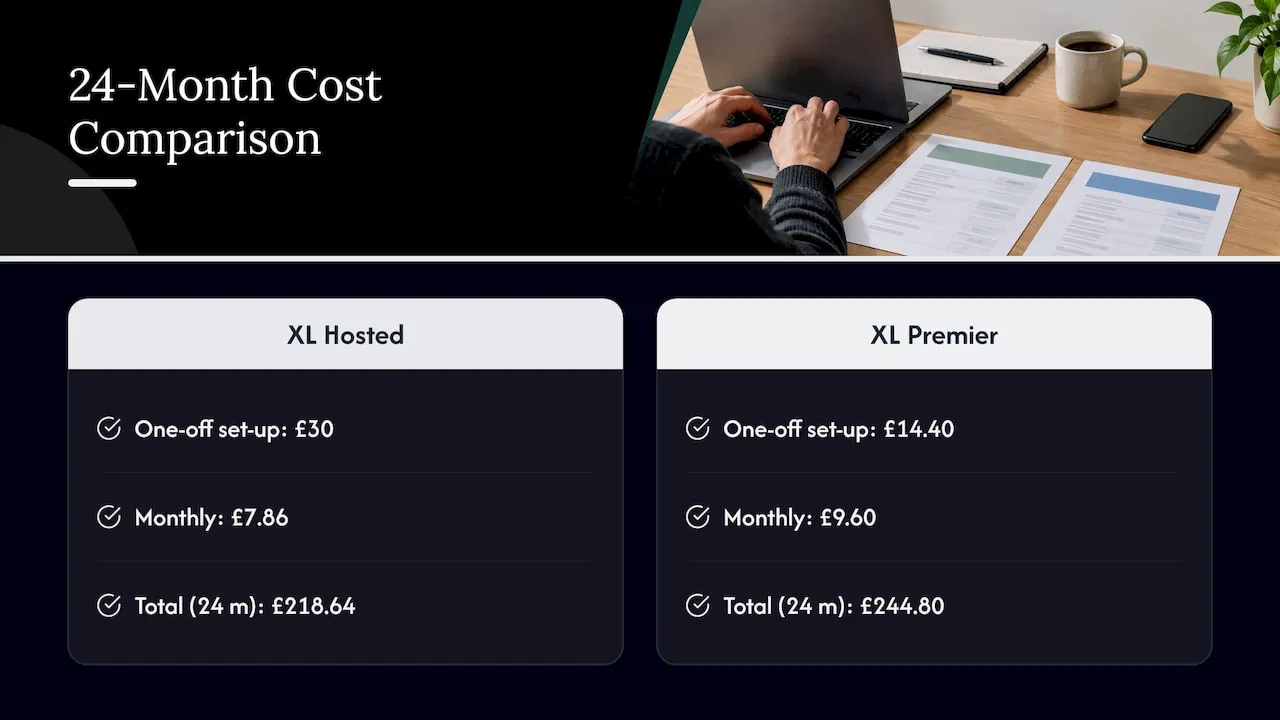
- A monthly hosting charge to keep the number live and routed, for example the XL Premier Service at £9.60 per month, following a £14.40 one-off set-up.
- Minutes bundles if you expect to make a reasonable volume of outbound calls, available minutes bundles at various price points for calls to 01/02/03 numbers and major mobile networks, all available through the XL-IP service.
- SIM-based routing if you want the number to ring through to a mobile handset, such as the XL Mobile SIM available at a monthly rate.
A business that takes occasional calls and makes few outbound ones will usually do better on a lighter hosting plan with a small minutes bundle. A business that calls customers regularly, such as a trade firm confirming appointments, will often find a larger minutes bundle cheaper overall than paying per-minute rates on a bare-bones plan. Whatever the quote, ask any vendor to set out the total cost over 12 and 24 months rather than comparing set-up fees alone.
Porting and compliance: check portability, CLI and marketing rules first
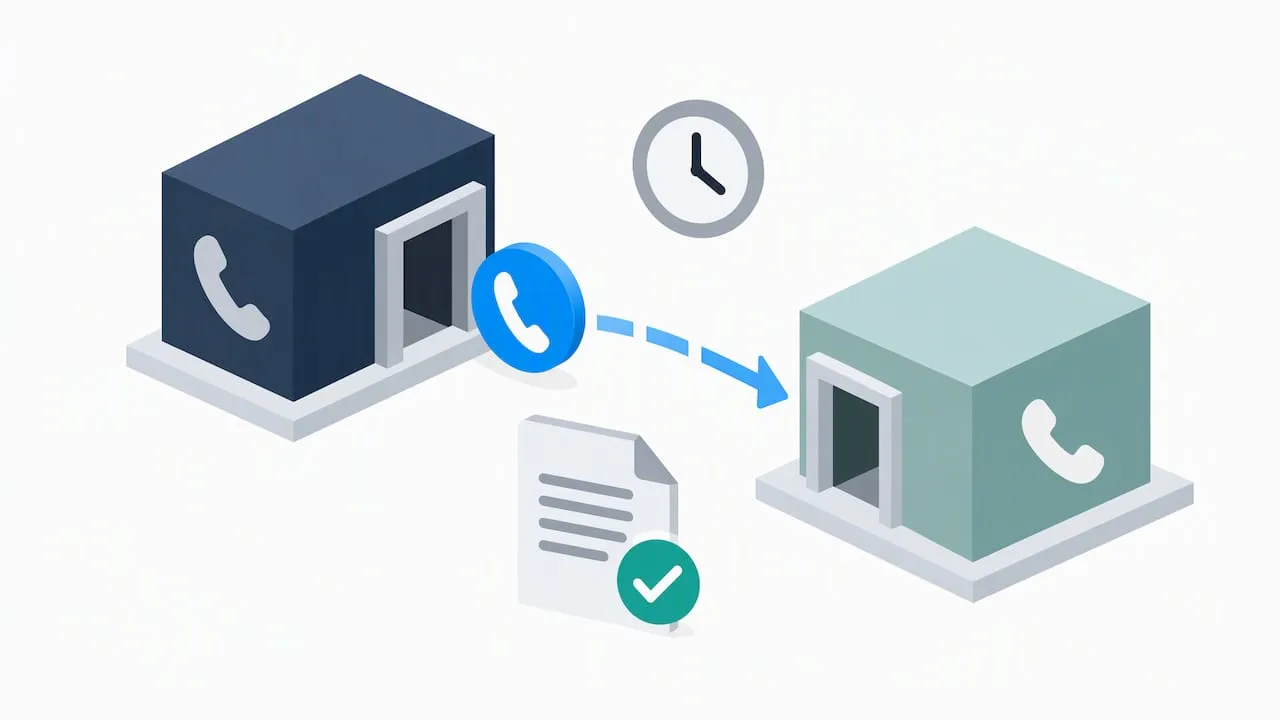
Before paying for any number, get the portability terms in writing. Number portability is a regulated facility that normally lets you keep a landline or mobile number if you move to a different provider later, but the hosting and exit conditions attached to a cheap deal can make that harder than it should be, as explained in guidance on number porting. Ask specifically what happens if you want to leave, and how long porting takes.
If you plan to make live marketing calls, the ICO’s telephone marketing guidance requires you to display your number or a valid alternative, identify your business, and screen against the TPS and CTPS registers. Skipping this step is a common and avoidable way for small businesses to end up with complaints or penalties.
Fraud is the other side of the coin. Government fraud guidance from Stop Think Fraud warns that caller ID can be spoofed, meaning a number that looks familiar is not proof of who is calling. That matters for your own customers too: if your business number could plausibly be spoofed by a scammer, it is worth telling customers never to act on a call alone without independent verification.
Practical steps worth taking:
- Get portability and exit terms confirmed in writing, not just verbally, before you pay.
- Screen any outbound marketing calls against TPS and CTPS and keep records of that check.
- Train staff never to treat a familiar-looking caller ID as proof of identity, especially for payment or account changes.
How to buy or rent a memorable number: the six-step checklist
Getting from decision to a live, working number does not need to take long if you work through the steps in order.
- Decide the format first. Choose between 01/02 geographic, 03 non-geographic, 07 mobile or 080 freephone based on how your customers find and call you.
- Search for patterns you want. Repeating digits, sequences or a recognisable ending are what make a number memorable, so search by pattern or area code rather than taking the first option offered.
- Reserve it and get terms in writing. Ask for the porting conditions, hosting charges and expected timeline to go live before you commit to a purchase.
- Choose a hosting and minutes bundle that matches your call volume. A business making few outbound calls needs a lighter plan than one making dozens of daily customer calls.
- Test the number before publicising it. Call it from a few different networks and confirm what displays on the receiving end, since forwarded calls do not always show the number you expect.
- Keep a compliance record. Log your TPS/CTPS screening and CLI display setup so you can show PECR compliance if it is ever questioned.
Pro Tip: Test your new number from a mobile, a landline and a VoIP app before adding it to your website or van signage, since each can display or route calls differently.
Comparing providers’ pricing plans and contract terms
Pricing structures for business numbers vary more in shape than in headline cost. Some providers lead with a low monthly hosting fee and recoup the difference through a larger set-up charge or minimum contract term, while others keep set-up low and charge more for minutes bundles. The XL Hosted Voice Service with a VoIP phone illustrates this pattern, with a £30 one-off set-up charge against a £7.86 monthly fee, a different balance to the XL Premier Service’s £14.40 set-up and £9.60 monthly rate.
Contract length is the other variable to scrutinise. A rolling monthly contract costs more to exit but less to commit to, while a 12 or 24-month term, such as those offered through the rental and purchase plans, can lower the monthly rate in exchange for a longer commitment. Before signing anything, ask each provider for the same three figures: the one-off cost, the monthly cost, and the total cost over 24 months. Comparing those three numbers side by side removes most of the guesswork that headline pricing alone tends to create.
Equipment options and what they add to the bill
A memorable number does not always need new hardware, but some routing choices do. If you want to keep an existing desk phone and just change the number behind it, a router-based option such as XL-IP lets you keep your phone and use it via your broadband router, with a £99 one-off charge for the router and set-up on top of the £8 monthly plan.
If you would rather route calls straight to a mobile handset, the XL Mobile SIM option avoids needing a separate desk phone at all, at £27.24 per month. For businesses that want a proper hosted VoIP handset rather than routing through existing hardware, the XLHV plan bundles the phone itself into its £30 set-up and £7.86 monthly fee.
If your business already runs a wider VoIP phone system, it is worth understanding how hosted numbers integrate with it before buying extra hardware. Essex Telephone Systems explains how VoIP-based systems handle call routing, which is useful background if you are deciding whether to add a number to an existing setup rather than buy new equipment outright.
Features you get at different price points
The lowest-cost hosting plans tend to cover the basics: call forwarding to a nominated line, a working CLI display, and sometimes voicemail. As the monthly fee rises, plans typically add minutes bundles, letting you make outbound calls to 01/02/03 numbers and major mobile networks without separate per-minute charges, from £3.50 per month for 250 minutes up to £24 per month for 5,000 minutes.
Conferencing and multi-line handling tend to sit higher up the price range, usually bundled with a fuller VoIP handset service like XLHV rather than a basic forwarding plan. If your business only needs one person answering one line, paying for conferencing features you will not use is a common way a “cheap” plan ends up costing more than a simpler alternative. Match the feature set to what you will actually use in the first few months, since most providers allow you to upgrade later if your needs grow.
Tips for choosing the most cost-effective option
Start by working out your realistic call volume, both inbound and outbound, before comparing any plan. A business that answers ten calls a day needs a very different setup from one making hundreds of outbound confirmation calls.
Ask every provider for the same breakdown: one-off set-up cost, monthly hosting fee, minutes included, and the cost of exceeding that bundle. Compare those total figures over 12 and 24 months rather than the headline monthly price alone, since a cheaper monthly fee with a high set-up charge can cost more in year one than a pricier plan with no set-up fee at all.
Confirm portability terms in writing before paying anything, and test the number’s CLI behaviour before adding it to marketing material, since a number that looks cheap on paper but cannot be ported or forwards poorly is not actually a saving.
Why portability and proof points matter more than price alone
After looking at enough pricing pages, the pattern that stands out is not which provider is cheapest this month, it is which one will still make sense to you in two years. A number that cannot be ported cleanly, or that hides its true cost behind a vague “set-up fee”, tends to cost a business more in lost time and switching hassle than it ever saved on the invoice.
A provider sourcing memorable UK landline and mobile numbers from multiple telecom operators, with immediate search and acquisition tools and full portability built into how numbers are sold. That combination, searchable stock plus portability confirmed upfront, is the part worth checking against any provider you consider, not just the headline monthly rate.
— Rob
If you want to act now: search, reserve and buy or rent via Phonenumbers.store
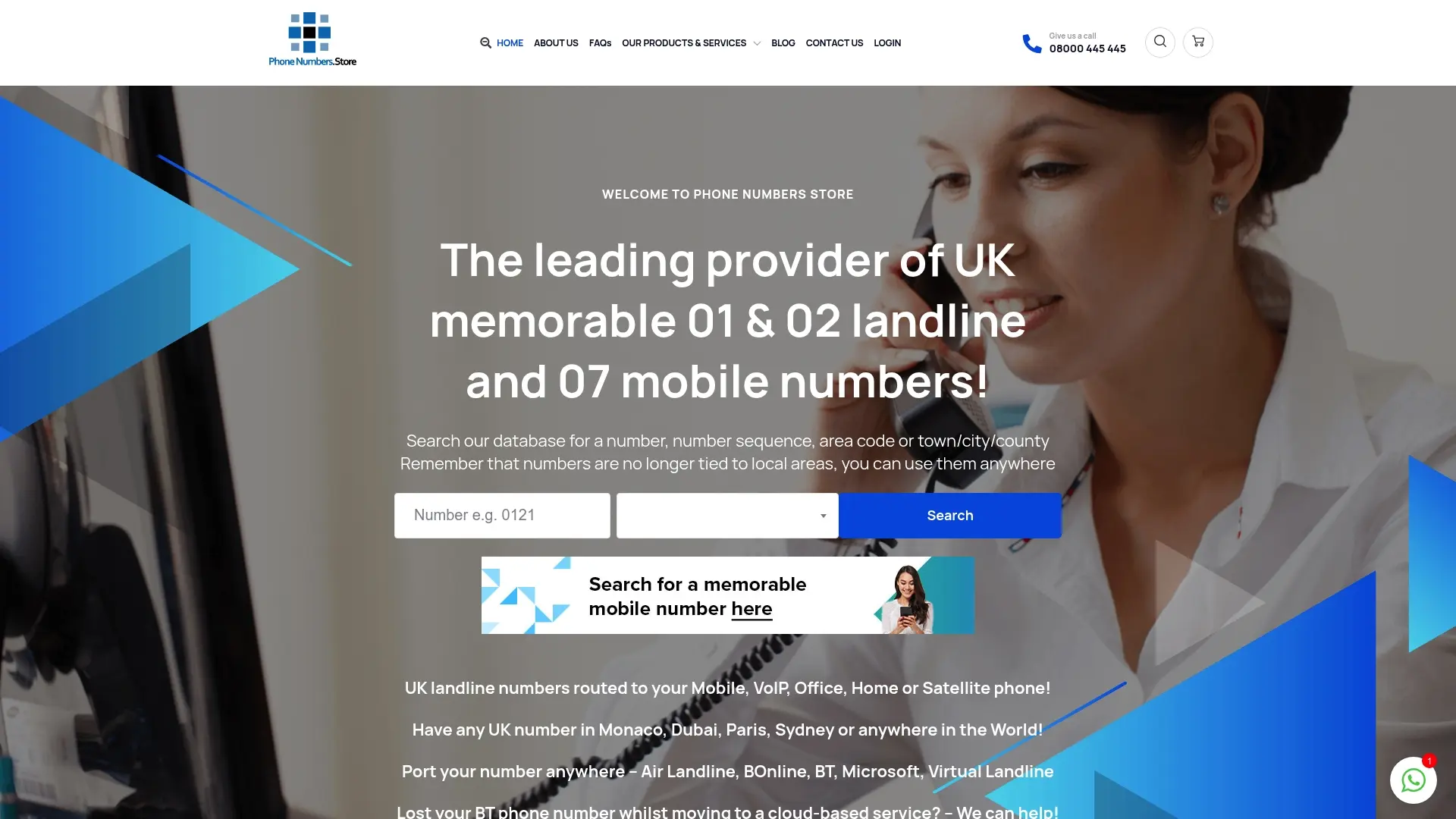
You can search a database of memorable UK numbers by sequence, area code, or town and city, then buy or rent the one that fits your business rather than being tied to whatever your current provider happens to offer. Numbers are no longer locked to local areas, so an 01 number can work for a business operating well beyond its original region, and every number is built to be portable if your setup changes later.
If you are ready to move, a few starting points worth considering: the XL Premier Service for a straightforward hosted number, XLHV if you want a VoIP handset included, XL-IP if you want to keep your existing phone through your broadband router, or an XL Mobile SIM if you would rather route calls to a handset directly.
Search available numbers and reserve one now at Phonenumbers.
Sources
- Phone numbers and call costs
- Telephone marketing — guidance for organisations (ICO)
- Number porting: what is it and why do you need to know about it
- How to spot phone fraud — Stop. Think. Fraud.
FAQ
Is it cheaper to buy or to rent a business number?
Renting usually means a lower upfront cost with an ongoing monthly fee, while buying is a larger one-off cost with fewer recurring charges beyond hosting. Which is cheaper depends on how long you plan to keep the number and whether you value flexibility over a lower long-term cost.
Can I keep my existing number if I switch provider?
Number portability is a regulated facility that normally lets you keep a landline or mobile number when you change provider, as set out in Ofcom’s porting guidance. Always get the exact porting conditions and timeline confirmed in writing before you commit to a new plan.
Do I need to screen calls against TPS and CTPS?
Yes, if you make live marketing calls, the ICO’s guidance requires screening against the TPS and CTPS registers and displaying a valid contact number. Keeping a record of that screening protects you if a complaint is ever raised.
What is the cheapest way to get started with a memorable number?
A reservation lets you hold a chosen number before committing to a full plan, such as the 30 day reservation priced at £10. From there, a basic hosting plan like the XL Premier Service at £9.60 per month keeps ongoing costs low while you confirm the number works for your business.
Does my business number type affect how much customers pay to call me?
Yes, geographic, non-geographic, mobile and freephone numbers all carry different call costs for the person dialling, as explained in Ofcom’s guidance. Choosing a format that matches your customers’ expectations avoids surprising them with an unexpectedly costly call.