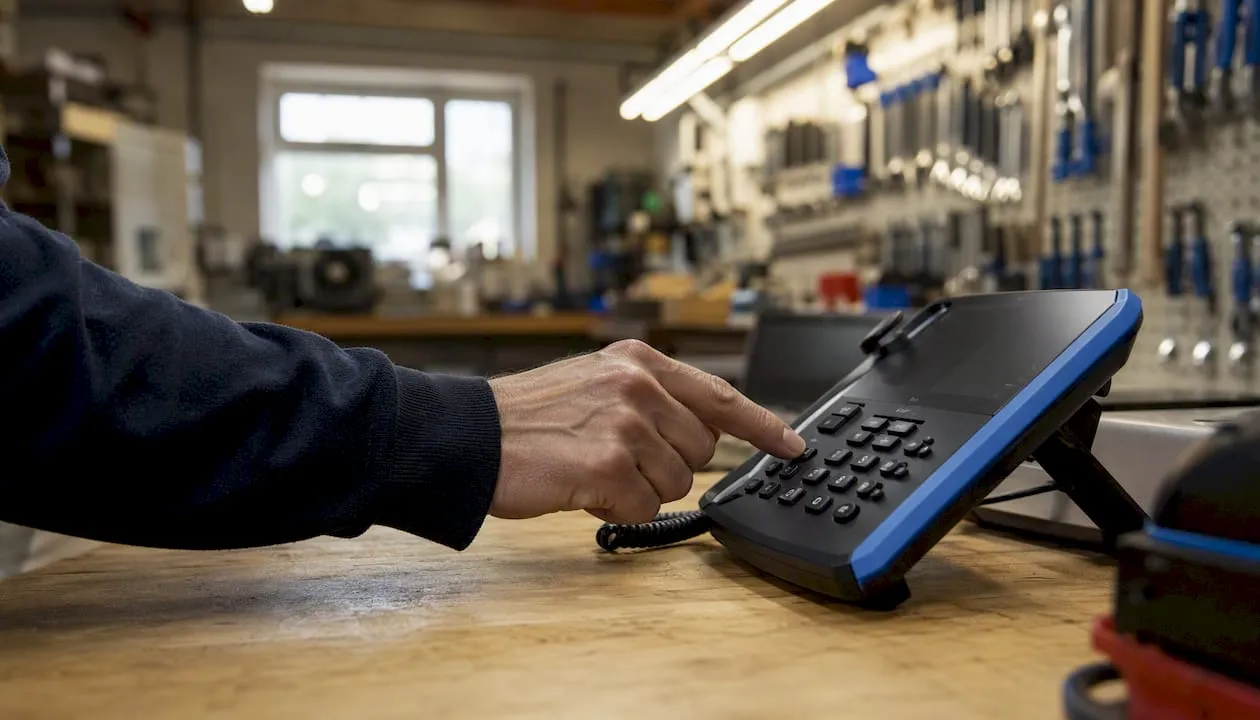
A memorable UK landline looks like 0161 777 5050 and a memorable mobile looks like 07700 900 900. Both work because the digits after the area code repeat or pair up, giving your brain something to grip. If you want to search and reserve a number with exactly that kind of pattern, Phonenumbers is the direct place to start.
- 01/02 geographic example: 0161 777 5050 (Manchester area code, repeated triplet ending)
- 07 mobile example: 07700 900 900 (mirrored pairs after the prefix)
- Both formats are ten or eleven digits total, displayed in chunks to aid recall
- Phonenumbers lets you search by area code, sequence, or town to find patterns like these
Key takeaways
UK businesses that invest in a memorable 01/02 or 07 number gain a direct recall advantage that compounds with every advertising impression, grounded in the same chunking principles Miller identified in working-memory research.
| Point | Details |
|---|---|
| Format basics | 01/02 numbers are ten digits; 07 mobiles are eleven — always display in chunks for recall. |
| Top patterns | Repeated triplets, mirrored pairs, sequences, and round endings are the most recalled formats. |
| Ofcom rules apply | Check the National Numbering Plan before buying; reserved ranges (116XXX, emergency codes) cannot be purchased. |
| Tariff and portability | Confirm no premium-rate surcharge for callers and that the number is portable before committing. |
| Phonenumbers | Search Phonenumbers by area code or sequence to find and reserve a memorable 01/02 or 07 number. |
Table of Contents
- How are UK 01/02 and 07 numbers structured?
- Why do some numbers stick in your memory?
- What patterns make a number genuinely memorable?
- How to pick a memorable number for your business
- What do Ofcom’s rules mean for buyers?
- How to search for and reserve a memorable UK number
- Why memorable numbers deliver real business value
- Phonenumbers: search and reserve your number today
- Sources
- FAQ
How are UK 01/02 and 07 numbers structured?
UK phone numbers follow a consistent structure governed by Ofcom’s telecoms numbering guidance. Getting the digit count right matters before you start shopping for a memorable one.
- 01/02 geographic numbers: area code (2–5 digits starting with 01 or 02) plus a local number, always ten digits in total when dialled (e.g. 020 7123 4567 or 0161 234 5678)
- 07 mobile numbers: eleven digits total, beginning with 07 (e.g. 07700 900123)
- Numbers are displayed in chunks in advertising: typically area code / three digits / four digits for landlines, and 07XXX / three digits / four digits for mobiles
- Memorable numbers sold for business use often reuse a pattern after the area code — repeats, pairs, or sequences — because that is where the buyer’s eye and ear land
- Numbers are no longer tied to their local area; you can use a Manchester 0161 number from anywhere in the UK
The National Telephone Numbering Plan sets out every designated range, so if you ever need to verify whether a specific prefix is geographic or mobile, that PDF is the authoritative check.
Why do some numbers stick in your memory?
The short answer is chunking. Miller’s Magical Number Seven established that short-term memory holds roughly seven items, give or take two. A raw eleven-digit mobile number pushes that limit hard. Break the same digits into three or four predictable groups and the phonological loop — the part of working memory that rehearses sounds — can handle them far more comfortably.
Repetition and mirrored patterns reduce the cognitive load further. When the last four digits of a number echo the previous group (900 900, or 12 12 12), your brain only needs to encode one chunk and repeat it. Sequences like 1234 work similarly: the pattern itself is the memory cue, not the individual digits.
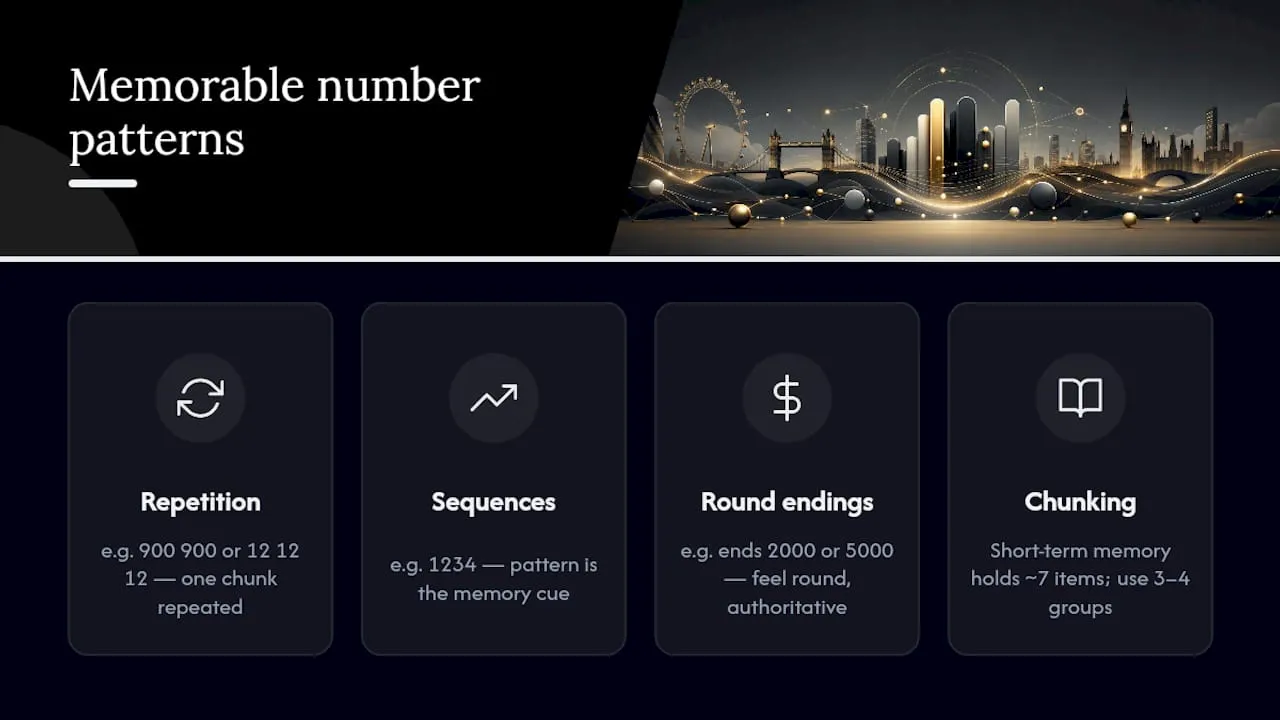
Cultural familiarity matters too. Certain digit combinations feel natural because they appear in everyday life: years, prices, postcodes. A number ending in 2000 or 5000 reads as round and authoritative in a way that 3847 never will.
Pro Tip: Say the number aloud three times, then wait ten minutes and try to recall it without looking. If you can’t, the pattern isn’t strong enough for advertising use. That cold-recall test is the fastest filter a buyer can run.
What patterns make a number genuinely memorable?
These are the formats that consistently perform well in advertising and word-of-mouth recall. Each is shown in both a geographic and a mobile format.
- Repeated triplets: 0161 777 5050 / 07711 777 777 — one chunk dominates and anchors the whole number
- Mirrored pairs: 020 1212 1212 / 07700 900 900 — symmetry makes the number feel balanced and easy to say
- Simple sequences: 0113 123 4567 / 07700 123 456 — ascending runs feel logical and are easy to reconstruct if partially forgotten
- Palindromes: 01604 123 321 / 07800 456 654 — the reversal is a built-in memory trick
- Round endings: 0151 800 8000 / 07900 800 000 — zeros signal authority and are culturally associated with big organisations
One caution: avoid any number that begins with 116 (harmonised European short codes for social services), 999, 112, or other emergency and reserved ranges. These are protected under the National Numbering Plan and cannot be allocated for commercial use. A reputable seller will never offer them.
How to pick a memorable number for your business
Before you commit to a number, run through these questions. They separate a genuinely useful purchase from an expensive vanity choice.
Must-ask questions for any seller:
- Is the number portable, and can I take it with me if I change provider?
- Is it a geographic (01/02) or virtual number, and does that distinction matter for my customers?
- What is the pricing model — one-off purchase, monthly rental, or both?
- What is the transfer policy if I want to move the number later?
- Are there any tariff implications for callers (e.g. premium-rate surcharges)?
Brand-fit checks:
- Does the area code match where your customers expect you to be based, or is a national number a better fit?
- Can the number be read aloud in a radio or TV ad without stumbling?
- Does the pattern suit your sector? A taxi firm benefits from a number like 0161 777 7777 because drivers and passengers repeat it constantly.
- Are there cultural numeric preferences in your target market (e.g. certain digits considered lucky or unlucky)?
Red flags to avoid:
- Hidden tariffs that make the number expensive for callers to dial
- Numbers from restricted or premium-rate ranges dressed up as standard geographic numbers
- Chunking patterns that look good on paper but are awkward to say aloud (e.g. 0207 1234 56 — the final two-digit group breaks the rhythm)
A step-by-step selection guide can help you match number style to brand identity before you spend anything.
What do Ofcom’s rules mean for buyers?
The Communications Act 2003 gives Ofcom the authority to designate and manage telephone numbers in the UK. That legal framework is why the National Numbering Plan exists and why certain ranges are off-limits for commercial allocation.
Key points for buyers:
- Geographic (01/02) and mobile (07) ranges are openly allocated; Ofcom publishes updated lists so you can verify a number’s status before purchase
- Numbers are portable across the UK — you are not locked to a physical location or a single network
- Harmonised short codes (116XXX) are reserved for pan-European social services and cannot be purchased commercially
- The 118 directory-enquiry market carries specific tariff risks
Ofcom’s review of 118 directory-enquiry services found that consumers typically call the number they already remember rather than comparing options — and identified serious problems with opaque charges and potential bill shock for callers who dial 118 services without knowing the cost upfront.
That finding has a direct implication for your own number choice: if your business number is the one a customer remembers, they call you directly rather than hunting through a directory. Memorability is not just a branding nicety; it is a measurable reduction in the friction between a customer’s intent and your phone ringing.
How to search for and reserve a memorable UK number
The process is straightforward when you use a specialist provider with a searchable database.
- Search by area code or sequence — enter your preferred area code (e.g. 020, 0161, 07) or a digit pattern (e.g. 777, 1234) into the provider’s search tool
- Shortlist two or three patterns — apply the cold-recall test from the memorability section before committing
- Check portability and tariff — confirm the number is portable and carries no premium-rate surcharge for callers
- Reserve or purchase — most providers hold a number for a short period; complete the purchase to secure it
- Configure call routing — point the number to your existing landline, mobile, or VoIP system; no physical line change is needed
Before you buy, confirm:
- The seller can show provenance (the number is legitimately allocated, not spoofed)
- Transfer terms are clear and written down
- You receive a confirmation of the number’s range and tariff classification
- Refund or cancellation terms are stated upfront
If you are rebranding or moving premises, a virtual number means you keep the same number regardless of where your business operates from.
Why memorable numbers deliver real business value
Most marketing budgets chase clicks and impressions. A memorable phone number works differently: it compounds. Every time someone sees your van, hears your radio ad, or spots your shopfront, the number does a small amount of memory work. Over weeks and months, that repetition builds a direct recall path that no algorithm can interrupt.
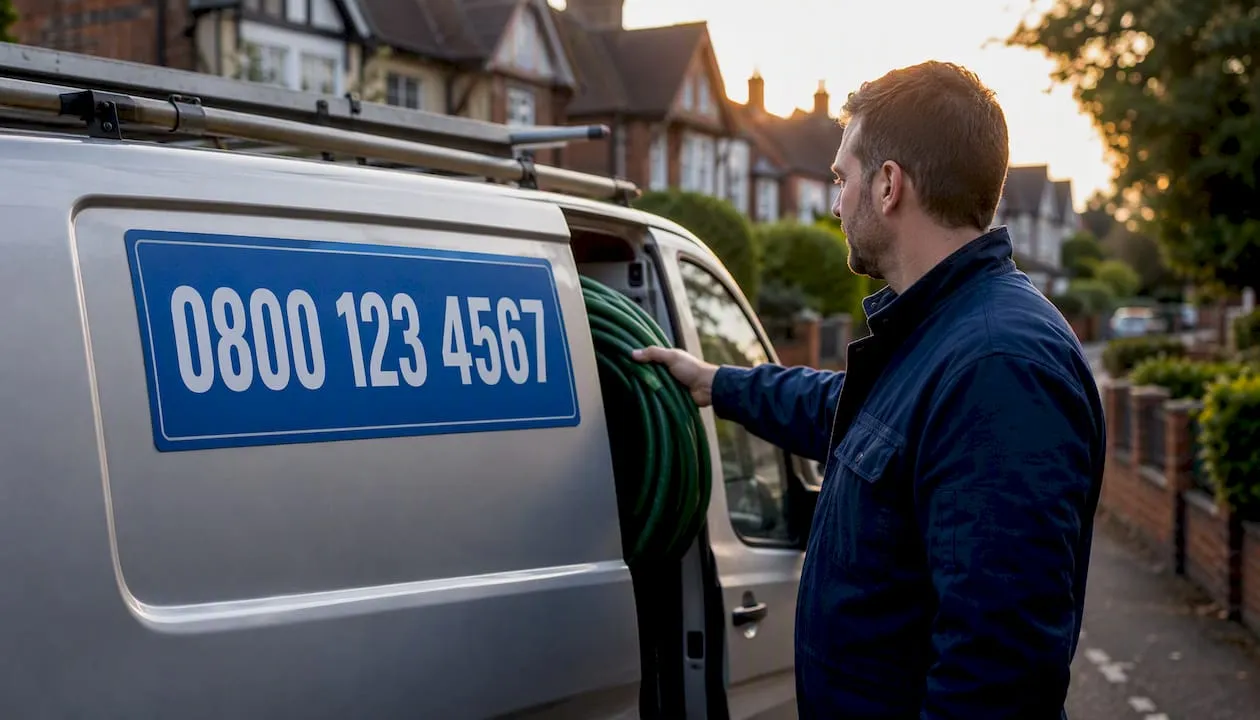
That behaviour is the commercial case for investing in a memorable number rather than accepting whatever your telecoms provider assigns. A taxi firm, a local tradesperson, or a national service line all benefit from the same principle: the number that gets remembered gets called.
The question of when to prioritise this over other marketing spend is simpler than it sounds. If your business relies on inbound calls — bookings, enquiries, emergency callouts — a memorable number pays back faster than almost any equivalent spend on digital advertising. If your customers primarily find you online and never dial, the ROI calculation looks different. Know your call volume before you decide.
Phonenumbers: search and reserve your number today
Phonenumbers is the UK’s specialist provider of memorable 01/02 landline and 07 mobile numbers. The database is searchable by area code, digit sequence, town, city, or county — so if you want a Leeds 0113 number ending in 5050, or a mobile with a mirrored pair pattern, you can find it directly without guesswork.
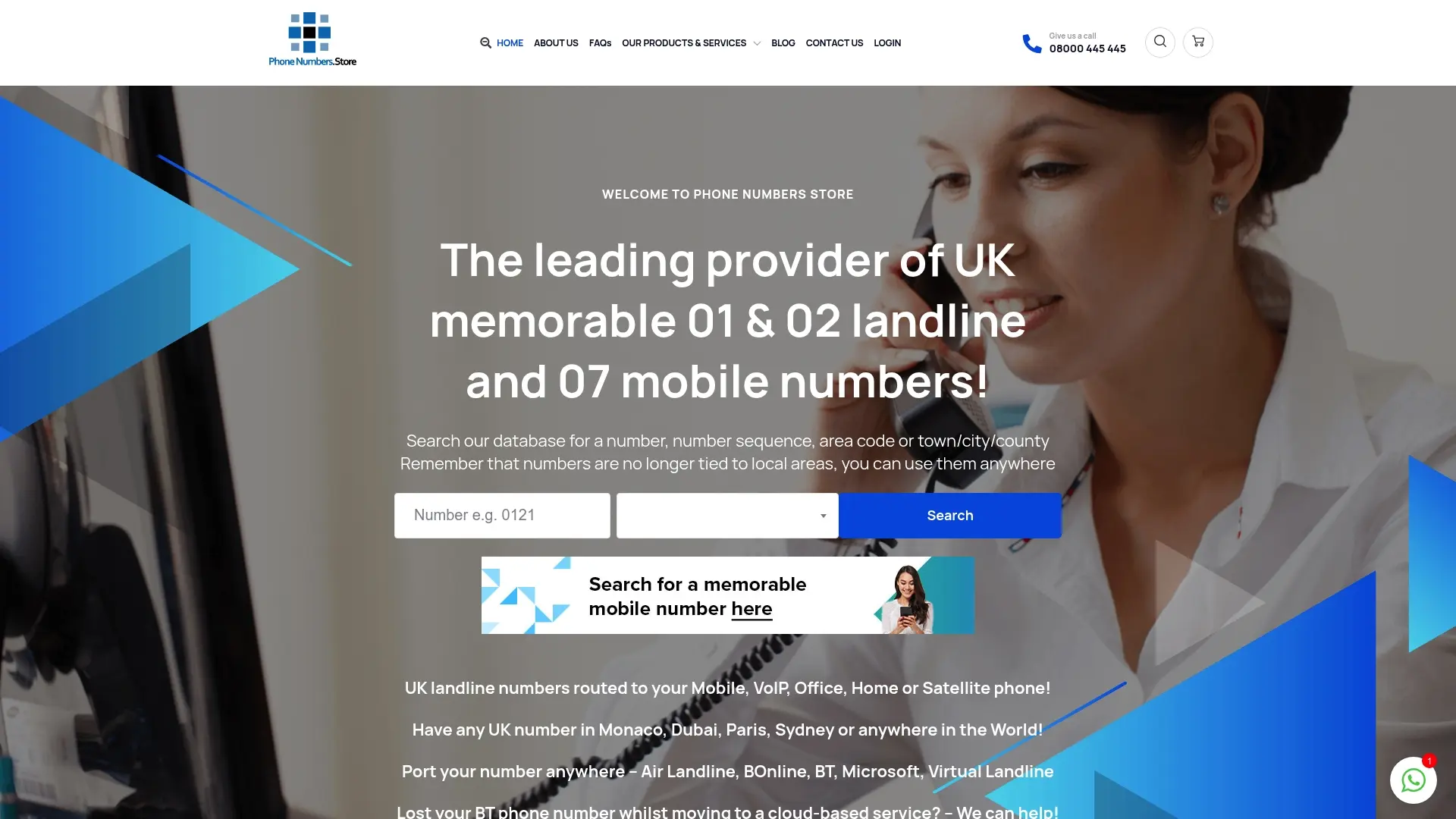
Numbers are no longer tied to a physical location, so a London 020 number works just as well from Manchester or Edinburgh. Before you complete a purchase, the platform shows tariff classification and portability status so there are no surprises after you buy.
Search available numbers now and reserve the pattern that fits your brand.
Sources
FAQ
What is a valid UK geographic phone number format?
A valid UK geographic number starts with 01 or 02 and is ten digits in total when dialled, for example 020 7123 4567 or 0161 234 5678. Ofcom’s National Numbering Plan designates which area codes are active.
How many digits does a UK mobile number have?
UK mobile numbers begin with 07 and are eleven digits in total, for example 07700 900123. Numbers with certain distinctive patterns are occasionally reserved by Ofcom for fictional and testing use, so avoid those for real business purposes.
Why are some phone numbers easier to remember than others?
Repeated or mirrored digit patterns reduce the memory load because the phonological loop only needs to encode one chunk and replay it, a principle explained by Miller’s chunking theory.
Can I use a London 020 number if my business is based elsewhere?
Yes. UK telephone numbers are portable and no longer tied to a physical location, so a 020 number can be routed to any address or device across the country.
Where can I search for and buy a memorable UK number?
Phonenumbers lets you search its database by area code, digit sequence, or location and reserve a memorable 01/02 or 07 number directly at Phonenumbers.