The quickest route is to search for the number or digit pattern in a specialist database like the Phonenumbers alongside Ofcom’s official allocation records. Once you know whether the number is allocated, available or already transferred, you can confirm who provisions it, check portability, and verify its signalling before you buy, rent or port it into your business.
TL;DR:
- Confirm number availability through Ofcom’s records and specialist databases before making any commitment, as a listed number may already be allocated or transferred.
- Verify current provider and portability eligibility by asking for written confirmation and scheduling the transfer during quiet trading periods if the number is critical for marketing or signage.
- Check caller ID configuration, routing, and fraud mitigation measures with your provider to prevent spoofing issues and ensure UK-to-UK calls stay on domestic networks.
- Decide to buy or rent based on your expected usage duration, with leasing suited for short-term needs, and reserve the number for up to 30 days while completing due diligence.
- Report persistent, threatening, or withheld calls to your provider and authorities, keeping detailed logs and avoiding engagement beyond documentation to protect your business.
Table of Contents
- Step 2: verify who currently provisions the number and whether it is portable
- Step 3: check signalling, routing and spoofing risk before you accept or display the number
- Step 4: what to do once you have identified the number
- Methods and tools for identifying anonymous or withheld calls
- Legal considerations and privacy restrictions on revealing caller identity
- What to do if a private number is harassing or threatening your business
- Publisher perspective: treat memorable numbers as brand and security assets
- How Phonenumbers.store helps you act on what you find
- FAQ
- Sources
Step 2: verify who currently provisions the number and whether it is portable
Finding a number is only half the job. You then need to know which provider holds it and whether it can move to you without friction. This is governed by Ofcom’s switching rules under General Conditions B3 and C7, which require providers to support number portability when a customer requests a transfer.
A listing in the allocation files does not guarantee an instant port. The transfer still needs sign-off between the losing and gaining provider, and that administrative step can introduce delay if paperwork or account details do not match.
Practical steps to confirm portability before you commit:
- Ask the current provider (or your chosen new provider) to run a porting eligibility check against the number.
- Request written confirmation of the account holder’s authority to release the number, since porting without this will stall.
- Build in a buffer for the port to complete rather than assuming it happens the same day you apply.
Plan around the port rather than against it. If the number is central to your marketing or signage, time the switch for a quiet trading period and keep the old line active until the new one is confirmed live.
Step 3: check signalling, routing and spoofing risk before you accept or display the number
A number that looks right on paper can still cause problems if its signalling is wrong. Caller ID, or CLI, is the data your provider sends alongside a call to confirm who is calling. If it is set up incorrectly, your outbound calls can be flagged as suspicious or blocked outright by carriers trying to filter nuisance traffic.
NCSC guidance on business communications recommends treating your phone numbers as security assets, not just contact details. That means checking how a provider presents your CLI and confirming that UK-to-UK calls are not routed offshore unnecessarily, since irregular routing is one of the patterns that makes calls look spoofed.
Before you accept a number from a new provider, ask directly:
- How is caller ID configured, and will it display consistently across major UK networks?
- Is UK-to-UK traffic kept on UK routing, or does it pass through international carriers?
- What fraud mitigation measures does the provider follow, and are they aligned with the Fraud Sector Charter for telecommunications?
A provider who cannot answer these plainly is a warning sign. Vague or evasive answers about routing are often the first indication that a number will cause deliverability problems once it is live on your business cards and website.
Step 4: what to do once you have identified the number
Once you have confirmed status, ownership and routing, the decision becomes operational rather than investigative. Buying gives you permanent ownership and full control over porting it elsewhere later. Renting suits businesses that want a memorable number without a long-term commitment, though you will not hold the same transfer rights as an owner.
Work through this sequence once you are ready to act:
- Decide buy or rent based on how long you expect to use the number and whether you want to port it elsewhere later.
- Reserve the number if you are not ready to commit immediately. Phonenumbers.store offers a 30-day reservation to hold a number while you finish due diligence.
- Schedule the port or activation with your provider, and confirm forwarding, SIM or VoIP compatibility before the switch date.
- Notify customers and update your website, invoices and signage once the number is live.
- Monitor call volumes for the first few weeks to catch any routing or signalling issues early.
Pro Tip: Keep your old number forwarding to the new one for a few weeks after the switch, so you do not lose calls from customers using outdated contact details.
Methods and tools for identifying anonymous or withheld calls
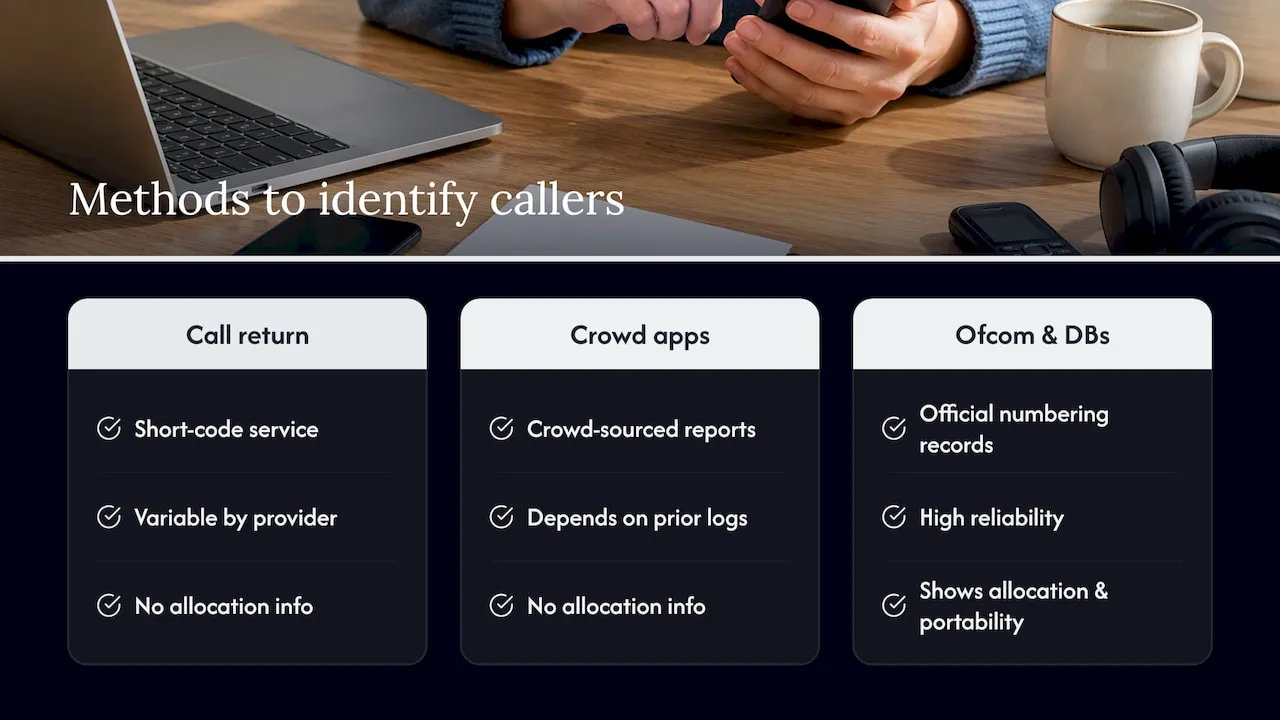
Some businesses want to know who is calling before they commit to a number search, particularly if an unidentified call has come through on an existing line. Call return services, often dialled as a short code after the call ends, can sometimes reveal a number that was withheld from the display. Results vary by provider and are not guaranteed to work on every call.
Third-party apps that flag or identify incoming calls rely on crowd-sourced reporting rather than official records, so their accuracy depends entirely on how many people have previously logged that number. Treat these as a rough first filter rather than a definitive answer.
For a business number you are actively trying to trace or verify ownership of, the more reliable path remains checking it against Ofcom’s numbering data and a specialist database rather than relying on consumer call-ID apps, which are built for personal nuisance-call screening rather than confirming allocation or portability status.
Legal considerations and privacy restrictions on revealing caller identity
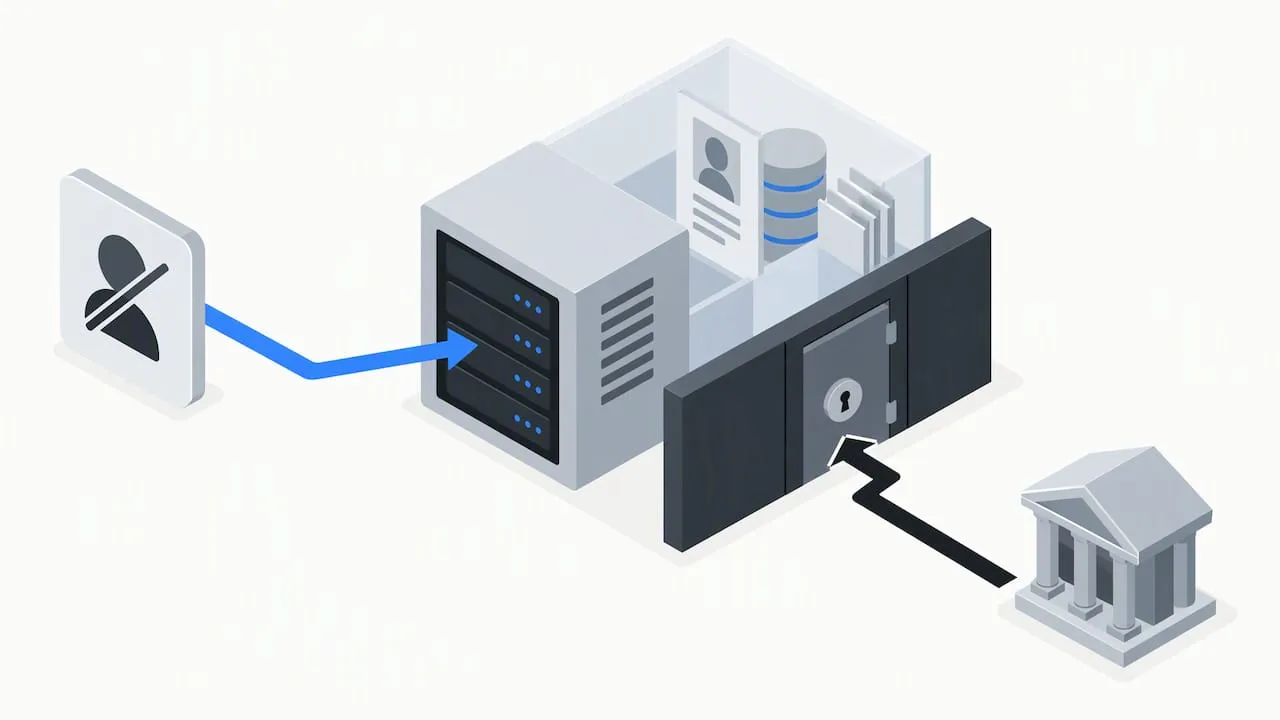
Caller identity sits under data protection rules, which means a provider cannot simply hand over the personal details behind a withheld number on request. Even where a call return service reveals a number, it does not reveal the name or address of the person behind it. That information is held by the network and is only released to authorities through a formal legal process.
For businesses, this matters when deciding how to handle an unidentified or suspicious call. You can report the number and ask your provider to investigate, but you cannot demand personal details about the caller directly. Providers and regulators balance the caller’s privacy against the recipient’s right to know who contacted them, and that balance generally favours caution unless harassment or fraud is involved.
If a number turns out to be allocated to a legitimate business, standard allocation and portability checks through Ofcom’s published data are a transparent, lawful way to establish ownership before you proceed with any acquisition or complaint.
What to do if a private number is harassing or threatening your business
If calls from a withheld or unidentified number become repeated, threatening or clearly aimed at disrupting your business, the first practical step is to block the number on your handset or system and keep a log of dates, times and any voicemail left. Guidance on handling and documenting unwanted calls covers the same basic principle that applies here: a clear record makes any later report far more useful.
Report persistent harassment to your phone provider, who can apply call-tracing measures on their network even when the number is withheld from your display. For threats or suspected fraud, report to the police and, where it involves nuisance or scam calls more broadly, to Action Fraud or the relevant telecoms regulator in your market.
Do not attempt to call back an unknown private number repeatedly or engage with it beyond what is needed to document the contact, since this can sometimes encourage further calls rather than resolve the issue.
Publisher perspective: treat memorable numbers as brand and security assets
A memorable number is often the first thing a customer remembers about your business, which makes it worth protecting with the same seriousness as your domain name or trademark. Too many businesses treat their number as an afterthought, picked once and never reviewed, when in practice it is part of both brand recall and call security.
We built our search tool so that a business can check a number, sequence or area code before committing, and we support hosting, forwarding, SIM and VoIP compatibility so the number works the way you need once you have it. Porting support exists for exactly the reason covered above: a number is only useful if it moves cleanly when your circumstances change.
— Rob
How Phonenumbers.store helps you act on what you find
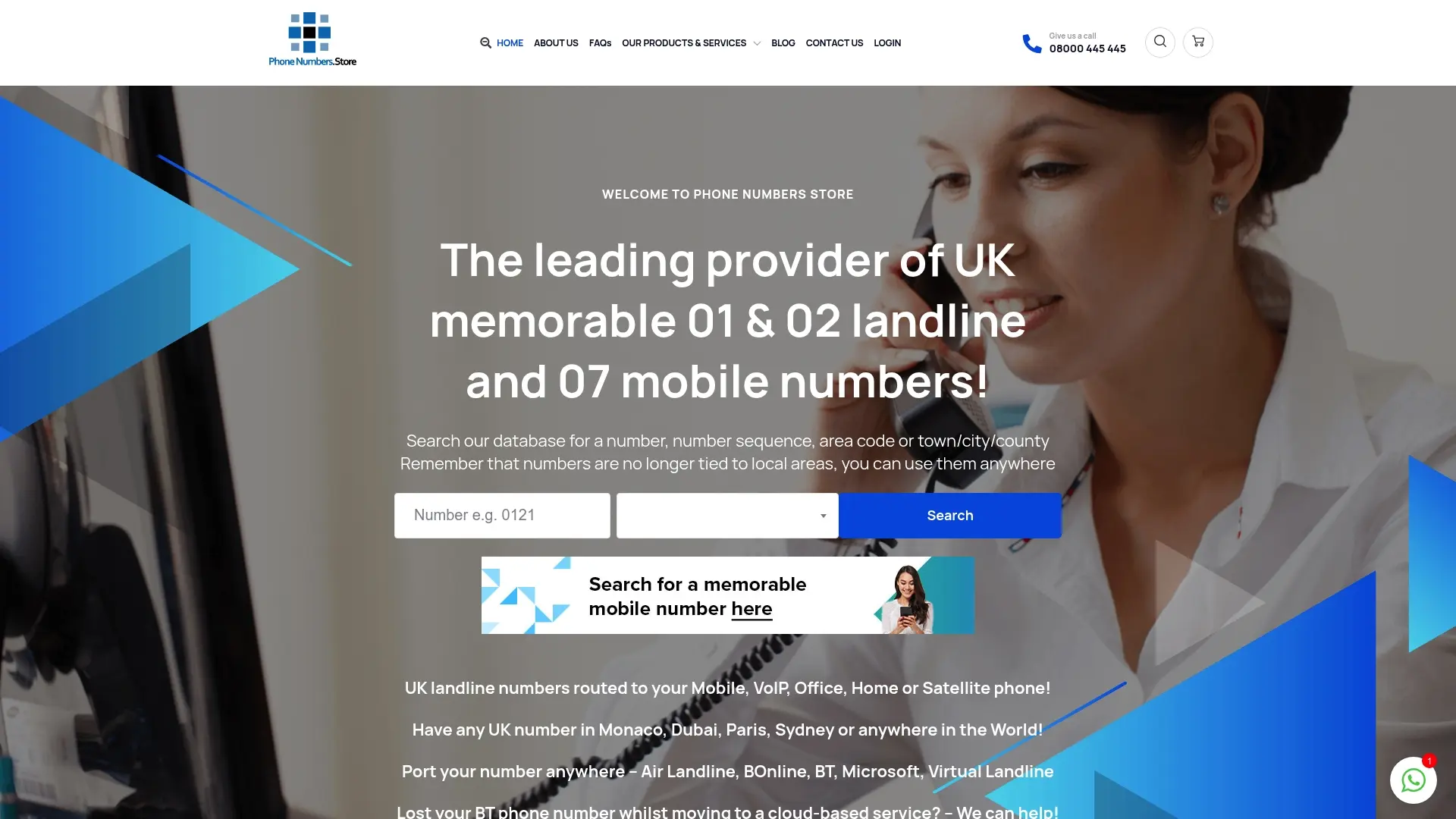
- Search by number, digit sequence, area code or town and county to confirm availability before committing.
- Combine a memorable number with hosted telephony through the XL Hosted Voice Service (XLHV) if you need a VoIP handset included.
- Keep your existing number and route it through your broadband router with XL-IP.
- Prefer flexibility over ownership: rent or purchase over 12 or 24 months.
Whichever route fits your business, get in touch once you have identified a number and we can confirm porting and signalling details before you switch.
FAQ
How do I check if a UK number is already allocated?
Search the number in Ofcom’s published numbering data, which sorts ranges by geographic, mobile and non-geographic function, alongside a commercial database such as Phonenumbers. The result will show whether the number is allocated, available or has been transferred between providers.
Can I port a memorable number once I buy it?
Yes, UK number portability is a regulated facility under Ofcom’s General Conditions B3 and C7, which require providers to support transfers between operators. The process still needs provider sign-off, so confirm eligibility and timelines before you plan around a specific switch date.
What does it mean if my outbound calls get flagged as spoofed?
This usually points to a signalling or caller ID configuration issue with your provider, which NCSC guidance recommends checking before a number goes live. Ask your provider how CLI is presented and whether UK-to-UK traffic stays on UK routing, since offshore routing is a common cause of calls being filtered.
Should I buy or rent a memorable business number?
Buying gives you full ownership and the right to port the number elsewhere later, while renting suits a shorter-term need without that commitment. Phonenumbers offers both options, so the right choice depends on how long you expect to keep the number tied to your business.
What should I do if a withheld number keeps calling my business?
Block the number where possible, log the dates and content of each call, and report persistent harassment to your provider and, where threats are involved, to the police. A provider can sometimes apply network-level tracing even on calls where the number is withheld from your display.
Sources
Before spending money on a memorable number, confirm what it actually is and who holds it. Two sources matter here: a commercial search database that shows live availability, and Ofcom’s own numbering records, which govern how UK numbers are categorised and allocated.
Ofcom’s own numbering guidance sorts UK numbers by function: geographic numbers (01 and 02), non-geographic numbers (03 and 08), and mobile numbers (07). Each range sits in a separate data file, and Ofcom updates these allocation records regularly, so a number that looks free in an old list might already be taken.
When you are cross-checking a number, work through this:
An “allocated” number sits with a provider already. “Available” means it is open for purchase or rental. “Transferred” means it has moved between operators, which matters for the portability checks that come next.