
TL;DR:
- Memorable phone numbers can boost taxi call volumes by up to 40 percent.
- Local geographic numbers strongly enhance trust and recall among UK passengers.
- Proper management and tracking of a strategic contact number maximize booking and marketing ROI.
Every taxi fleet operator in the UK knows the feeling: your van livery looks sharp, your drivers are reliable, and your fares are competitive, yet the phone still goes quiet at peak times. The contact number you advertise is often the silent factor behind that gap. Memorable phone numbers increase taxi fleet inbound calls and recall, yet most operators pick a number by default rather than by design. This article breaks down exactly why your contact number is one of the highest-leverage decisions you can make, and how to get it right.
Table of Contents
- Why your contact number matters for taxi bookings
- The main types of taxi contact numbers and their benefits
- How to choose a memorable number: Key criteria
- Implementing and managing your contact number for maximum value
- Why traditional phone numbers still matter in the app era
- Give your taxi business the edge with a memorable number
- Frequently asked questions
Key Takeaways
| Point | Details |
|---|---|
| Boost bookings | A memorable contact number can increase your inbound calls and secure more taxi fares. |
| Maximise trust | Local, easy-to-recall numbers build credibility and encourage repeat business from passengers. |
| Improve ad ROI | Numbers that are easy to remember make your advertising investment go further and reduce lost enquiries. |
| Don’t neglect call handling | Efficient call response is essential to turn every contact into a booking and boost customer satisfaction. |
Why your contact number matters for taxi bookings
With the stakes established, let’s look at exactly how the choice of number influences booking patterns.
The taxi sector in the UK is intensely competitive. In most towns and cities, passengers have at least three or four local firms to choose from, plus national apps. When someone needs a cab in a hurry, they reach for the number they can remember. If that number belongs to your competitor, the booking is gone before you even knew it was available.
The numbers behind this are striking. Memorable numbers boost call volumes by up to 40%, improve recall by 75%, and deliver a 30% better response rate to advertising. That means every leaflet drop, radio spot, or van wrap performs significantly better when the number itself is easy to retain.
Consider what missed calls cost taxi firms in real terms. A Leeds-based taxi firm handling 200 calls daily and missing just 5% of them loses over £10,000 per month in potential revenue. That figure does not account for the reputational damage of passengers who tried once, could not get through, and never called again.
“A number that passengers cannot recall is a number that does not work. Every forgotten digit is a lost booking.”
The link between memorable numbers and taxi success is well established among operators who have made the switch. Here is what the data consistently shows:
- Recall rates rise sharply when numbers use repeating digits or recognisable patterns
- Ad spend goes further because the same budget generates more responses
- Lost bookings fall as passengers can recall the number without needing to search
- Customer loyalty increases because familiarity breeds trust and repeat calls
Understanding why taxis prefer memorable numbers comes down to one simple truth: your number is your brand’s most repeated asset. It appears on every vehicle, every receipt, and every ad. Making it forgettable is a costly oversight.
The main types of taxi contact numbers and their benefits
Understanding the scale of impact, the next step is choosing the right type for your fleet’s needs.
Not all phone numbers are equal in the eyes of your passengers. The format you choose sends a signal about who you are, where you operate, and how professional your fleet is. Number types include local, freephone, and non-geographic, each with distinct cost profiles and caller perceptions.
| Number type | Example | Trust level | Typical cost | Best suited for |
|---|---|---|---|---|
| Geographic (local) | 0113 307 0707 | Very high | Low to mid | Local fleet operators |
| Freephone | 0800 XXX XXXX | Medium | Higher for operator | National or premium brands |
| Non-geographic | 0333 XXX XXXX | Medium | Low monthly | Multi-city operations |
| Gold/vanity | Repeating digits | High | Premium upfront | High-volume fleets |
Geographic numbers carry a powerful advantage for community-based taxi firms. Passengers in Leeds, Manchester, or Bristol instinctively trust a number that matches their local dialling code. It signals that you are a local business, not a call centre redirecting to distant drivers.
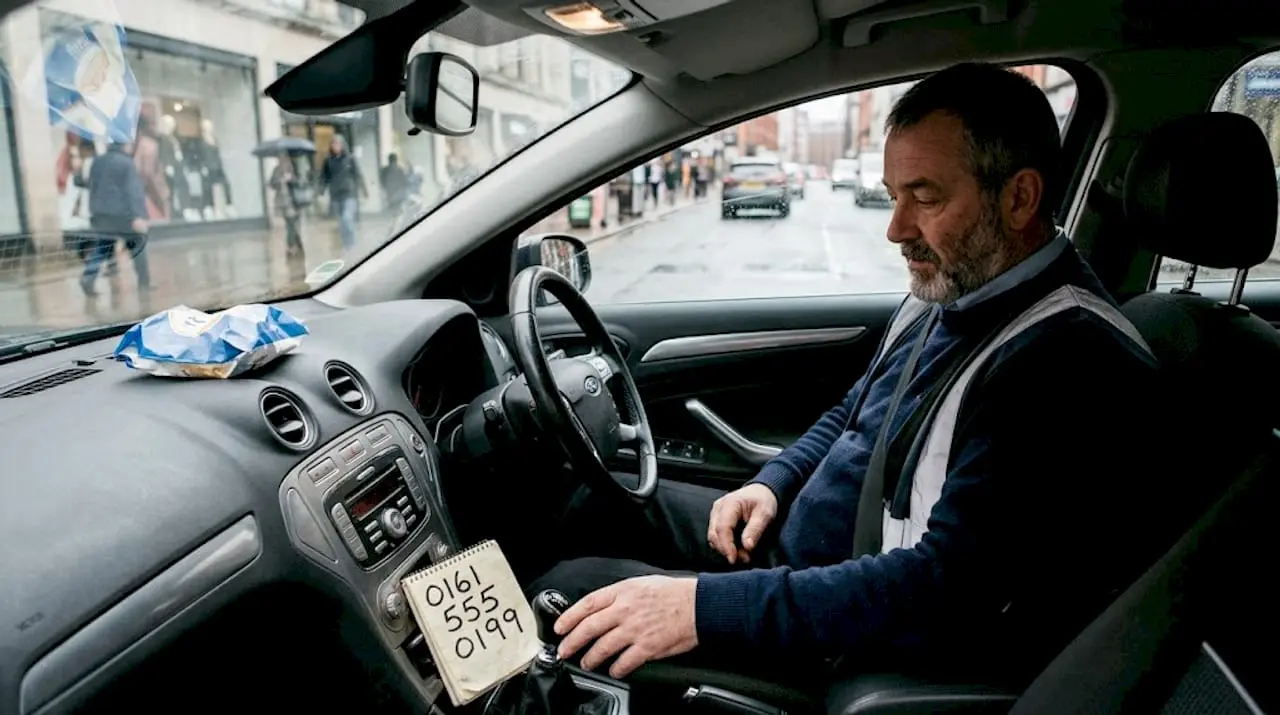
Freephone numbers (0800) remove the cost barrier for callers but can feel impersonal for a local hire service. Non-geographic numbers like 0333 work well for operators running fleets across multiple cities, as they are not tied to any single area. Gold or vanity numbers, those with repeating or patterned digits, score highest on recall regardless of format.
Key considerations when comparing formats:
- Upfront cost varies from a few hundred pounds for standard geographic numbers to several thousand for premium gold numbers
- Monthly fees typically range from £5 to £20, depending on the provider and features
- Caller perception strongly favours local numbers for independent and community-based fleets
- Portability matters: numbers are no longer tied to local exchanges, so you can use a Leeds number from anywhere in the country
Pro Tip: If your fleet serves a specific town or city and relies on local loyalty, a geographic number with a memorable pattern gives you the best of both worlds. It feels familiar to passengers and is easy to recall from a van livery or radio ad. Explore options for choosing the ideal taxi number to find a format that fits your market.
For operators thinking about memorable numbers for fleet marketing, the format decision is inseparable from the marketing strategy. A number that looks great on a billboard but is impossible to say aloud on a radio ad is a wasted opportunity.
How to choose a memorable number: Key criteria
Having compared the formats, here is a practical step-by-step to pick the best possible number for your needs.
Choosing a memorable number is not guesswork. There is a clear process that aligns your number with your business goals, your audience, and your marketing channels.
- Define your primary goal. Are you trying to increase call volume, build local loyalty, or improve marketing ROI? Each goal points to a different number type and pattern.
- Match the number to your brand. Repeating digits (such as 307 0707) are easiest to recall. Patterns that mirror your town’s dialling code reinforce local identity.
- Calculate the cost-benefit. Weigh the upfront purchase price and monthly fee against the projected increase in bookings. Even a 10% rise in call volume can pay back a premium number within weeks for a busy fleet.
- Test it across all your channels. Say the number aloud. Write it on a mock van livery. Read it as part of a radio script. A number that works in every format is the one to secure.
- Set up tracking from day one. Use call analytics to measure exactly how many bookings the number generates. This is the only way to prove ROI and justify future investment.
“The operators who treat their contact number as a strategic asset, not an administrative detail, are the ones who consistently outperform their local competitors.”
Tracking is not optional. Poor number choices waste advertising spend and make it impossible to know which campaigns are working. Without call data, you are flying blind.
Pro Tip: When advertising on local radio or community noticeboards, the number needs to stick after a single hearing. Aim for a maximum of two distinct number groups, such as 0113 and 307 0707, rather than a string of unrelated digits. Read more about optimising your fleet number and taxi number branding advice to sharpen your approach.
Implementing and managing your contact number for maximum value
Once you have secured your ideal number, operational practices are critical to realising its full value.
A memorable number is only as powerful as the system behind it. If calls go unanswered, the investment is wasted. Effective implementation means routing, monitoring, and continuously improving how your number performs.
| Metric | Target | Warning threshold |
|---|---|---|
| Daily call volume | Baseline + 10% after launch | Flat or declining |
| Average answer time | Under 30 seconds | Over 45 seconds |
| Missed call rate | Under 3% | Over 5% |
| Booking conversion rate | 70%+ of answered calls | Below 60% |
Overflow and 24/7 call handling prevent lost revenue during peak periods and late nights. Apps are handling a growing share of bookings, but phone calls remain dominant for urgent and immediate requests. Ignoring either channel is a risk.
Steps for ongoing number management:
- Integrate with your dispatch system so calls route directly to the right operator or driver pool
- Set up overflow routing to a trusted third-party call handler during busy periods
- Review call data weekly to spot missed call spikes before they become a pattern
- Update all marketing materials simultaneously when you launch a new number
- Train your team on answering speed and booking conversion, not just call handling
For operators looking at memorable numbers deployment or considering diversifying your taxi numbers across different service lines, the operational framework matters as much as the number itself.
Why traditional phone numbers still matter in the app era
Finally, it is worth addressing the technological shifts and the dangers of relying solely on digital booking.
There is a tempting narrative in the industry: apps are the future, and phone numbers are fading. That view is too simple and, for many operators, commercially dangerous. Apps are growing, but phone calls remain the preferred channel for 20 to 30% of loyal and urgent customers. That is not a rounding error. For a fleet handling 200 daily bookings, that is 40 to 60 calls every single day.
The phone provides something an app cannot replicate in the moment: immediate human connection. A passenger stranded at night, an elderly customer without a smartphone, a corporate client with a last-minute change, these callers reach for a number they trust. If yours is forgettable or constantly engaged, they call someone else.
Building brand recall with taxi numbers is not about resisting technology. It is about recognising that a memorable local number and a well-designed app are complementary tools, not competing ones. The operators who thrive are those who invest in both, ensuring no customer is left without a fast, familiar way to book.
Give your taxi business the edge with a memorable number
If you are now convinced of the potential, take the next step.
A memorable contact number is one of the most cost-effective investments a taxi fleet operator can make. It works on every marketing channel, builds local trust, and keeps bookings coming in around the clock.
At Phonenumbers.store, we specialise in 01, 02, and 07 numbers that are built for recall and ready to deploy. You can search our database by number sequence, area code, or town to find the perfect fit for your fleet. Whether you are based in Leeds and want something like 0113 307 0707 or you need a number for a different city entirely, browse memorable taxi numbers and secure your competitive advantage today.
Frequently asked questions
How much does a memorable contact number for a taxi business cost?
A memorable UK taxi number typically costs hundreds to thousands upfront, plus a recurring monthly fee of around £5 to £20 depending on exclusivity and features.
Do most customers still use phone numbers to book taxis instead of apps?
Yes, particularly for urgent or local bookings. Phone calls remain crucial for 20 to 30% of loyal or time-sensitive customers who prefer direct contact over an app.
Will a more memorable number really increase my taxi bookings?
The evidence is clear. Memorable numbers raise call volumes by up to 40% and improve advertising response rates by 30%, which translates directly into more bookings.
What is the most trusted type of contact number for UK passengers?
Geographic numbers are trusted more than freephone or non-geographic alternatives, as passengers associate a local dialling code with a familiar, community-based business.