
Running a busy taxi or plumbing firm in Manchester or London means every missed call can feel like a missed job. Reliable communication underpins customer trust, yet sorting out a landline for your small business can quickly turn confusing with all the options on offer. This guide cuts through the noise, showing you how to set up a cost-effective landline system that matches your growth, wins more business, and keeps every call clear and professional.
Table of Contents
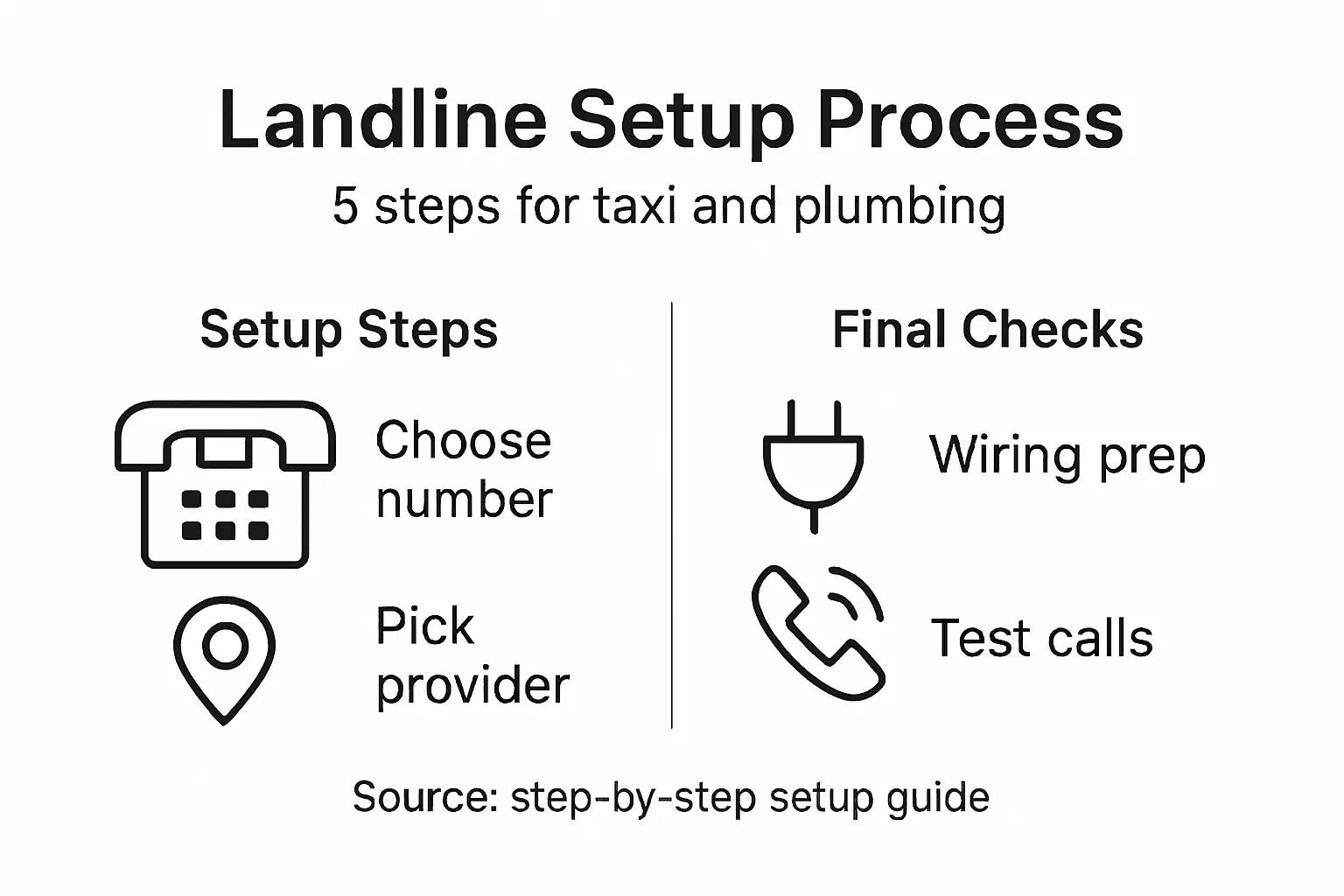
- Step 1: Choose A Memorable Landline Number For Your Business
- Step 2: Select A Suitable Provider And Landline Plan
- Step 3: Prepare Premises And Wiring For Installation
- Step 4: Install Landline Equipment And Configure Settings
- Step 5: Verify Line Functionality And Test Call Quality
Quick Summary
| Key Point | Explanation |
|---|---|
| 1. Choose a memorable number | Select a landline number that is easy for customers to remember to enhance recall and generate repeat business. |
| 2. Evaluate providers carefully | Assess multiple providers based on coverage, contract flexibility, and customer support to find the best fit for your needs. |
| 3. Prepare premises for installation | Organise your space ahead of installation to prevent delays and ensure a smooth setup of your new landline system. |
| 4. Test all features thoroughly | Conduct comprehensive tests on call quality and features after installation to confirm everything functions as intended. |
| 5. Document any issues | Keep a record of any problems or call quality metrics during testing to address potential issues with your provider. |
Step 1: Choose a memorable landline number for your business
Selecting the right landline number is one of the first decisions you’ll make when setting up communications for your taxi or plumbing firm. A memorable number isn’t just a vanity choice, it’s a practical business tool that directly influences how customers find and contact you. Unlike years ago when phone numbers were tied to specific geographic locations, modern numbering systems allow you to use numbers that make sense for your brand, regardless of where your business operates.
Start by thinking about what makes a number easy to remember. Numbers with patterns, sequences, or those that spell words when dialled tend to stick in people’s minds far better than random digit combinations. For example, a plumbing firm might favour a number with repeating digits like 0121 2222 444, or a taxi company could seek one that spells a relevant word. The beauty of memorable business phone numbers is that they work across the entire country, so you’re not limited to your local area code. This means if you operate in Manchester but want a London number with a catchy sequence, that’s entirely possible.
When you’re searching for your ideal number, consider what aligns with your business identity. Think about your customers’ perspective: they’ll be scribbling your number on notepads, reading it from adverts, or mentally storing it after a phone call. A number they can recall without checking their phone will generate repeat business and word-of-mouth referrals. Consider patterns your customers will recognise and find simple. Numbers ending in repeating digits, ascending sequences, or those containing lucky numbers in your region all perform well. Test a few options by saying them aloud, writing them down, and seeing how they feel. If they don’t roll off the tongue naturally, they probably won’t work for your customers either.
Don’t overlook the practical side of your choice. Make sure the number you select is actually available and isn’t already in use by another business. You’ll also want to consider the prefix carefully. Different area codes carry different perceptions and regional associations. A 0121 number suggests Birmingham roots, whilst 020 implies London. If your business serves multiple regions or operates nationally, think about which area code best represents your brand identity or primary service area. Once you’ve identified your top candidates, check their availability through the provider’s database before committing.
Here is a comparison of traditional landline numbers versus memorable business numbers for UK service firms:
| Aspect | Standard Landline Number | Memorable Business Number |
|---|---|---|
| Customer Recall | Often forgotten or misdialled | Easily remembered, fewer mistakes |
| Marketing Impact | Blends into adverts | Stands out in campaigns |
| Geographic Limitation | Usually tied to one region | Usable nationwide, flexible location |
| Brand Identity | Generic sequence of digits | Reinforces firm’s brand or sector |
| Word-of-Mouth Effect | Shared less easily | Passes on smoothly to referrals |
Professional tip Ring each candidate number out loud three times in succession to ensure it’s truly memorable, and ask a colleague to recall it an hour later without looking. If they struggle, that’s your signal to keep searching for something more customer-friendly.
Step 2: Select a suitable provider and landline plan
Now that you’ve chosen your memorable number, the next critical decision is selecting a provider and plan that will actually support your business operations. This choice affects your monthly costs, call quality, customer support responsiveness, and whether your business can scale without constantly renegotiating contracts. The UK market offers numerous options, and picking the right one requires understanding what matters most to your specific operation.
Start by evaluating the major providers available to your business. The market includes established names like BT Business, Vodafone Business, TalkTalk Business, Virgin Media Business, and specialist providers like XLN. Each offers different strengths, so your job is matching those strengths to what your taxi or plumbing firm actually needs. Consider network coverage first, especially if you operate across multiple locations or rural areas. A provider with excellent coverage in London might leave you with poor signal in the Midlands. Reliability matters enormously in your industry. A taxi firm cannot afford dropped calls during peak hours, and a plumbing business needs to receive emergency job requests without fail. Ask potential providers about their uptime guarantees and service level agreements before committing.
When comparing plans, look beyond the headline monthly cost. Most providers now bundle landline services with broadband, and some offer VoIP solutions alongside traditional lines. You’ll find competitive business phone line plans ranging from budget options to premium packages with additional features. Pay attention to what’s actually included. Does the plan cover unlimited local and national calls, or are you paying per minute? Are international calls included? Some plans offer generous call allowances that seem cheap until you realise they’re only peak rate calls. For a plumbing firm handling customer enquiries throughout the day, unlimited calls matter. For a taxi dispatch operation handling back to back bookings, call reliability and speed matter more than call allowances.
Contract flexibility deserves serious consideration. Many businesses sign multi-year agreements expecting stability, only to find their needs have changed within months. Ask about contract lengths available to you. Some providers offer monthly rolling contracts, whilst others require 12 or 24 month commitments. If you’re new to the business or anticipating growth, shorter contracts give you the option to switch if a provider underperforms. Scalability is equally important. As your plumbing team expands or your taxi fleet grows, you’ll need additional lines and features. Make sure your chosen provider can accommodate growth without forcing you onto an entirely different package. Customer support quality separates good providers from poor ones. When your landline fails during a critical business day, can you reach someone immediately, or will you spend hours in a queue? Read recent customer reviews specifically about support responsiveness, not just overall satisfaction.
Before finalising your decision, request quotes from at least three providers using identical specifications. This forces apples-to-apples comparison. Specify your area codes, call volume expectations, features needed, and contract length preferences. Many providers offer introductory discounts for new customers, so ask about those explicitly. Look for bundled deals combining landline services with broadband, as these often provide better value than purchasing services separately. Once you’ve narrowed your choices to two or three top contenders, contact their sales teams with specific questions about your business type. Mention you’re a taxi or plumbing firm, explain your peak usage times, and ask how they’ve supported similar businesses.
The following table summarises key features to look for when choosing a business landline provider:
| Feature | Why It Matters | Typical Questions to Ask |
|---|---|---|
| Network Coverage | Ensures reliability everywhere | Is coverage strong in my region? |
| Contract Flexibility | Allows for easy service changes | Minimum term and exit fees? |
| Bundled Services | May reduce total monthly costs | Broadband included or extra? |
| Customer Support Speed | Critical during service outages | Fast response for faults? |
| Scalability Options | Supports firm growth over time | Add lines without new contract? |
Professional tip Request a one week trial period or ask for customer references from similar businesses in your region before signing any contract, ensuring the provider actually delivers the performance and support they promise.
Step 3: Prepare premises and wiring for installation
Before your landline system arrives, preparing your physical space properly will prevent delays, reduce installation costs, and ensure your new system performs reliably from day one. This step involves assessing your premises, planning where cables will run, and removing obstacles that could complicate the installation process. Taking time now to prepare saves frustration later when technicians are on site.
Start by conducting a thorough walk through of your premises and identifying where your main telephone point will be located. For a taxi firm, this is typically near your dispatch desk where calls come in constantly. For a plumbing business, consider whether your office is separate from your workshop or whether you need multiple handsets across different areas. Think about where your employees actually work and where they need telephone access. A dispatch operator needs a phone at their desk, but your site managers might need handsets in vans or across multiple office locations. Once you have identified the main point, plan the cable routes carefully. Cable layouts should avoid areas with high foot traffic and potential physical damage, so cables won’t become safety hazards or get damaged by regular business operations.

Clear the planned installation routes of obstacles and clutter. If cables will run along skirting boards or through wall cavities, remove items stored against those walls. Ensure technicians can access both your external telephone box and your internal installation points without moving equipment or stock. Many taxi and plumbing firms operate in tight spaces, so be realistic about what needs to move temporarily. For external access, make sure the technician can reach your property’s telephone box from the street without climbing over vehicles, bins, or stored materials. If your premises is in a secure building or gated area, arrange access in advance so the technician isn’t delayed getting to the installation point. Notify security or building management about the scheduled work so your technician isn’t turned away.
Verify your electrical supply situation before installation day. Your new landline system will need power, particularly if you’re installing additional features like an answering machine or multi-line telephone system. Check that you have suitable power sockets near your planned telephone point and that these sockets aren’t already overloaded with other equipment. If you’re installing modern VoIP solutions, your broadband router also needs reliable power, so plan for that as well. Consider the future when planning your installation. Will your taxi fleet grow, requiring additional handsets? Will your plumbing business expand to another location needing its own line? Effective installation planning should anticipate scalability needs so you’re not ripping out cables six months down the line. Discuss growth plans with your provider before installation so they route cables in ways that support future expansion without requiring major rewiring.
Schedule your installation during a time when your business can afford disruption. This sounds obvious, but many firms book installation during their busiest hours and regret it immediately. For a taxi firm, avoid peak booking times. For a plumbing business, avoid days when most of your team is on site. If possible, schedule installation early morning before your normal operations begin, or late afternoon after your main work is complete. Inform your team what to expect on installation day so nobody is surprised when technicians are moving around your premises. If you have customers visiting your premises, consider how the installation will look. Finally, take photographs of your current setup and note down any existing telephone arrangements so you can verify everything is correctly transferred when the new system goes live.
Professional tip Create a simple sketch showing cable routes, power socket locations, and where handsets will be placed, then share this with your installer at least two days before they arrive to prevent misunderstandings and ensure they bring the correct equipment.
Step 4: Install landline equipment and configure settings
Your technician will arrive to physically install the equipment and connect everything to your network, but understanding what happens during this process helps you prepare properly and spot any issues before they become problems. Installation involves connecting hardware, testing network stability, and configuring features that your team will use daily. This step transforms your prepared premises into a functioning communication system.
When the technician arrives, they’ll connect your landline equipment to the telephone point and power supply you’ve prepared. If you’re using a modern VoIP system, they’ll connect an IP phone or adapter to your broadband router. The quality of your internet connection directly affects call quality, so your technician will likely test your bandwidth and ensure your router can handle both broadband and telephone traffic simultaneously. This is particularly important if your team is streaming job quotes, using cloud based scheduling systems, or uploading photos throughout the day. Your technician may adjust router settings to prioritise telephone calls over other traffic, ensuring emergencies get through even if someone is downloading large files. Be honest about your internet usage patterns so they can configure appropriately.
Configuration is where your system becomes tailored to your business. Your technician will set up features like call forwarding, voicemail, and auto-attendants based on your needs. For a taxi firm, this might mean routing calls to different dispatch operators or ensuring missed calls go to voicemail with a callback system. For a plumbing business, you might set up call forwarding so emergency requests reach the on-call plumber even outside office hours. VoIP system installation includes configuring call features such as call routing and integration with your existing systems, so discuss what features you actually need rather than accepting defaults. Many businesses end up paying for features they never use because they didn’t speak up during configuration. Tell your technician about your peak times, your team structure, and how you want calls handled when nobody is available.
Your technician should also configure settings related to security and compliance. If you’re using VoIP, this includes ensuring secure signalling so your calls remain private and nobody can intercept them. They’ll test emergency call functionality to verify that 999 calls work properly, which is critical for any business but especially for emergency services like plumbing. Ask them to demonstrate how to make emergency calls and confirm your location is correctly registered so emergency services can find you if needed. This is often overlooked but absolutely vital. Before the technician leaves, they should run comprehensive tests including call quality checks, call forwarding verification, and voicemail functionality. Listen to a test voicemail message to ensure it sounds professional and that callers can easily follow instructions. Ask your technician to walk through the basics of your new system so you know how to access voicemail, transfer calls, and use any features your business relies on.
Don’t let your technician leave until you’ve tested making and receiving calls with your memorable number. Make sure the number you selected earlier is now active and working properly. If there are issues, it’s far better to identify them whilst the technician is on site rather than discovering problems after they’ve left. Ask for documentation showing what’s been installed, the configuration settings, and emergency contact numbers for technical support. Keep this information somewhere accessible so anyone in your team can reference it if problems arise.
Professional tip Record a short video of your technician demonstrating how to use your new system, covering call transfers, voicemail access, and feature activation, then share it with your team so everyone knows how to operate the system without requiring constant support.
Step 5: Verify line functionality and test call quality
Now that your system is installed and configured, thorough testing ensures your landline is working properly before your team starts relying on it for business critical communications. This step involves making and receiving test calls, checking call quality, and verifying that all configured features function as intended. Think of this as a dress rehearsal before opening night.
Start with the basics. Make a test call from your new landline to your mobile phone and ask someone to call your new number from their mobile. Listen carefully to the call quality. Can you hear the other person clearly? Is there any delay, echo, or static? For a taxi firm managing dozens of calls daily, poor call quality becomes maddening quickly. For a plumbing business taking emergency requests, unclear communication could mean missing critical details about a job. If you notice quality issues, don’t ignore them. Contact your technician or provider immediately. Call quality problems often stem from network congestion, router configuration, or broadband speed. Your technician can run diagnostics to identify the cause and make adjustments. Test calls at different times of day if possible. Call quality can vary depending on your broadband usage patterns. Test during your expected peak usage times so you experience what your team will experience when the business is busy.
Test your voicemail system by calling your own number and leaving test messages. Can you retrieve them easily? Does the greeting sound professional and clear? Record a new greeting if the default sounds generic. Your greeting is often the first impression callers have of your business, so take a moment to make it count. Include your business name, a brief message about when you’ll return calls, and clear instructions for leaving a message. Test call forwarding by setting it to forward to a mobile number, then calling from an external number to verify calls are being routed correctly. For plumbing emergencies, this is crucial. Make sure on-call technicians actually receive forwarded calls rather than missing them because the routing configuration failed.
Test any advanced features you’ve configured. If you set up auto-attendants that route different call types to different team members, call and navigate the menu. If you configured call recording for quality assurance, verify recordings are being saved properly. Test call transfer by having someone call your main number and asking them to be transferred to an extension. Transferring calls between team members should feel smooth and natural, not clunky or prone to dropping connections. If any feature behaves unexpectedly, document what happens and report it to your provider before it becomes a business problem.
Verify that your memorable number is actually active and that callers can reach you using it. Have customers or business contacts call your new number and confirm they’re reaching you successfully. Sometimes numbers take time to fully activate across the network, so don’t panic if there’s a slight delay, but push your provider to activate it quickly. Ask your provider about validating your landline number status to ensure it’s properly registered and active in their systems. This confirms the number is recognised as live and operational, avoiding situations where calls fail because the number isn’t yet fully propagated through telecommunications networks.
Create a simple testing checklist covering all the features your business uses. Have team members test the system from their perspective. A dispatch operator needs to verify they can answer and transfer calls smoothly. Site managers need to confirm they can receive forwarded emergency calls on their mobiles. Office staff should test that they can access voicemail from different phones. Different team members may discover issues that you missed, so get their input. Once everyone has tested and confirmed the system works for their role, you’re ready to fully activate the system for business use. Keep notes on any issues discovered during testing so you can reference them if problems emerge later.
Professional tip Create a recorded log documenting call quality on at least three separate test calls made at different times of day, including date, time, quality rating, and any issues observed, then retain this for six weeks in case you need to prove quality issues to your provider for troubleshooting.
Unlock the Power of a Memorable Landline Number for Your Taxi or Plumbing Business
Setting up a reliable landline is essential but choosing a memorable phone number that sticks with your customers is the game changer. The article highlights common challenges like selecting the right number that enhances recall, understanding area code flexibility, and ensuring your communication system fits your business growth. Without a memorable phone number, even the best service can go unnoticed or be hard to reach in urgent moments.
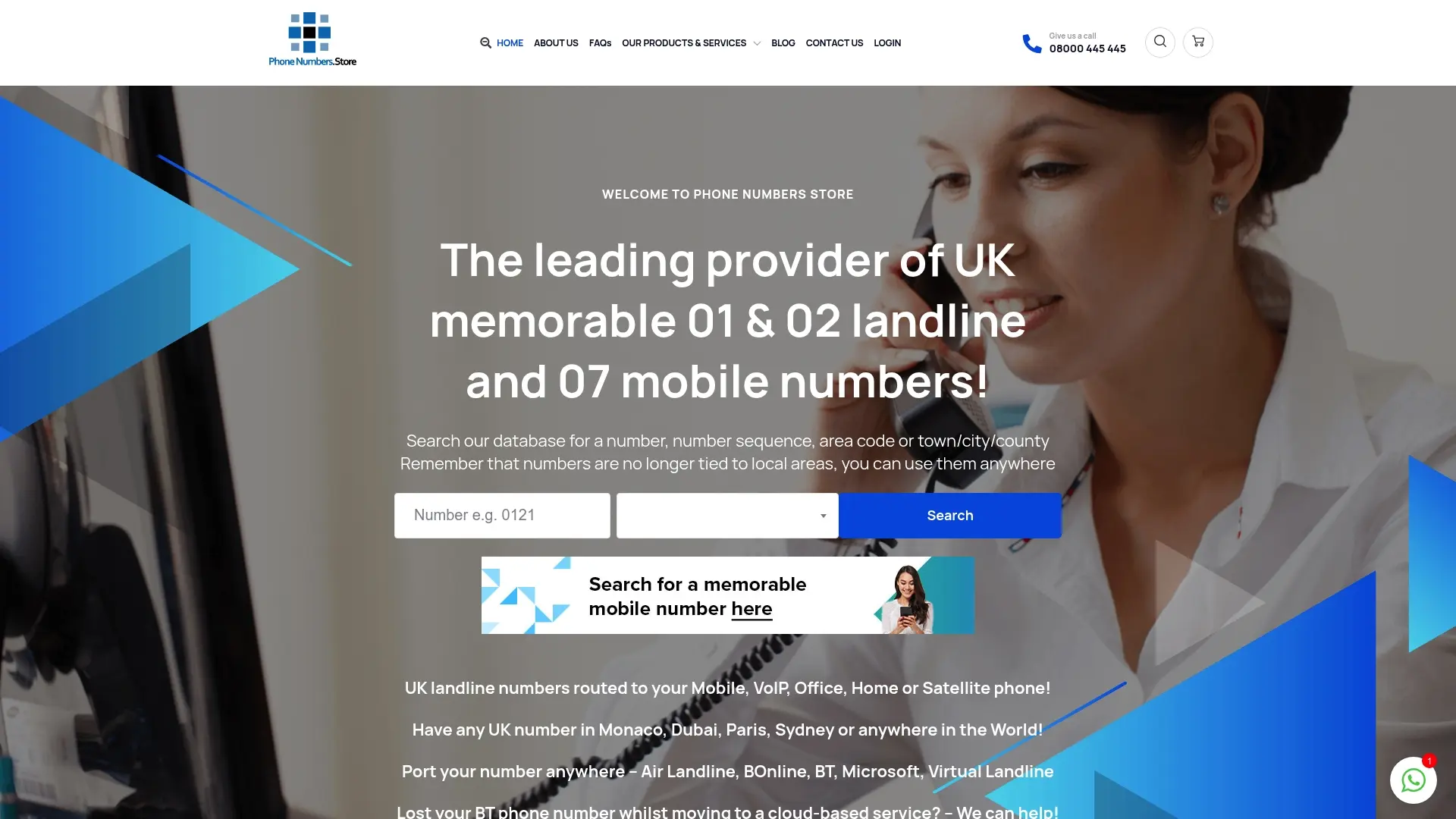
Make your business stand out with a phone number that customers remember every time. At PhoneNumbers.Store, we offer the leading selection of UK memorable 01 and 02 landline numbers that break free from local area constraints, perfect for taxi and plumbing firms expanding their reach nationally. Our search tool lets you find numbers by sequence, area, or city, helping you secure a number that truly represents your brand and improves customer recall dramatically.
Choose a business number that supports your growth, boosts marketing impact, and builds unwavering trust. Visit PhoneNumbers.Store today to explore our exclusive database and take the first step to transforming your landline setup into a powerful customer connection tool. Don’t wait until confusion or missed calls cost your firm valuable business — secure your ideal number now and thrive.
Frequently Asked Questions
How do I choose a memorable landline number for my taxi or plumbing firm?
Selecting a memorable landline number involves creating a number that is easy to recall, such as one with repeating digits or that spells a relevant word. Start by testing various options out loud and evaluating how well they stick in your mind. Focus on customer perspective to ensure the number is easy to share and remember.
What features should I look for in a landline provider plan?
Key features to consider include network coverage, contract flexibility, and customer support responsiveness. Compare different plans that bundle services like broadband and determine which options offer the best value and scalability for your business needs.
How can I prepare my premises for landline installation?
To prepare your premises, clear any obstacles from planned cable routes and ensure easy access to external telephone connection points. Schedule the installation for a time that minimizes disruption to business operations, ideally outside of peak hours, to ensure a smooth process.
What steps should I take to verify line functionality after installation?
After installation, make test calls from your new landline and ask others to call you to check both call quality and forwarding features. Document any issues you discover during testing so you can address them promptly and ensure everything operates smoothly for your team.
How can I anticipate growth and scalability when setting up my landline system?
When setting up, discuss your growth plans with your provider to ensure that cables and features are configured to accommodate future expansion. This approach prevents needing extensive rewiring or reconfiguration as your taxi fleet or plumbing team grows.
What should I do if I encounter call quality issues after the system is set up?
If you experience call quality issues, contact your provider immediately for troubleshooting. Document any quality problems, including the specifics of when they occurred, to provide clear information that can help resolve the situation quickly.
Recommended
- Taxi Connect Direct - Phonenumbers Store
- Telecom Solutions for Trades Plumbers, Electricians
- XL Premier Service - Phonenumbers Store
- Telecom Solutions for Trades Plumbers, Electricians
- Setting Up Electricity in your New Building | LED Supply & Fit
- Types Of Boilers For Landlords – Ensuring Safety And Compliance - Skan Plumbing & Heating