
More than 60 percent of British small businesses admit that a memorable phone number helps customers pick them over the competition. Choosing the right 01, 02, or 07 number could mean the difference between a call and a missed opportunity. Whether you run a plumbing business in Manchester or drive a taxi in London, understanding the structure of British telephone numbers lets you use your contact details as a powerful branding tool that sticks in your customers’ minds.
Table of Contents
- UK Telephone Numbers Explained and Debunked
- Types of UK Numbers: 01, 02, and 07
- How Number Portability Works Nationwide
- Legal Regulations for Owning Phone Numbers
- Branding Impact and Mistakes to Avoid
Key Takeaways
| Point | Details |
|---|---|
| Understanding Number Types | Different telephone number types in the UK offer unique benefits for businesses in branding and communication strategies. |
| Number Portability is Essential | Customers can retain their numbers when switching providers, adding continuity to their business identity. |
| Legal Compliance Matters | Familiarity with Ofcom regulations ensures businesses can acquire and use telephone numbers effectively and legally. |
| Memorability Drives Customer Engagement | Selecting memorable phone numbers can enhance customer recall and positively impact marketing efforts. |
UK Telephone Numbers Explained and Debunked
Telephone numbers in the United Kingdom are far more complex than most small business owners realise. Navigating the intricate world of UK telephone numbering requires understanding its unique structure and regulations. Ofcom’s official numbering plan reveals a sophisticated system that goes beyond simple digit sequences.
The UK telephone numbering system is divided into several key categories: geographic numbers (starting with 01 and 02), mobile numbers (beginning with 07), and non-geographic numbers like national rate and premium services. Unlike many countries, British telephone numbers are not strictly tied to specific regions anymore. This means businesses can choose numbers that sound professional or memorable, regardless of their physical location.
Understanding number prefixes is crucial for businesses. Geographic numbers (01 and 02) suggest a local presence, while mobile numbers (07) indicate personal or business mobility. Some fascinating nuances exist: 07 numbers are mobile, 03 numbers cost the same as standard landlines, and 08 and 09 numbers often involve additional charging mechanisms. Wikipedia’s comprehensive overview provides deeper insights into these intricate classifications.
Small businesses can leverage these number types strategically. A plumber in Manchester could choose a memorable 0161 number that sounds local, even if working nationally. A taxi firm might select an easy-to-remember mobile number that suggests flexibility and personal service. The key is understanding that your telephone number is more than a contact point - it’s a branding tool.
Here’s how UK telephone number types differ and can benefit small businesses:
| Number Type | Main Benefit | Typical Perception | Ideal Business Use |
|---|---|---|---|
| 01/02 (Geographic) | Implies local presence | Established, trustworthy | Local services, professional firms |
| 07 (Mobile) | Offers flexibility | Modern, mobile | Freelancers, mobile workers |
| 03 (Non-Geographic) | National cost parity | Fair, customer-friendly | Customer services, charities |
| 08/09 (Special Rate) | Generates extra revenue | Premium service | Support lines, competitions |
Pro tip: When selecting a business telephone number, prioritise memorability and professional perception over geographic limitations.
Types of UK Numbers: 01, 02, and 07
The United Kingdom’s telephone numbering system offers a sophisticated approach to communication, with distinct categories serving different purposes. Wikipedia’s comprehensive guide reveals the nuanced structure of these number types, particularly focusing on the 01, 02, and 07 ranges that are crucial for businesses and individuals.
Geographic numbers starting with 01 and 02 represent traditional landline connections. These numbers traditionally indicated a specific regional location, with 01 codes representing smaller towns and 02 codes assigned to larger cities and metropolitan areas. Though no longer strictly location-bound, these numbers still carry a sense of local presence. London, for instance, uses the 020 prefix, which encompasses the entire metropolitan area and suggests a professional, established business base.

Mobile numbers beginning with 07 represent a completely different communication landscape. Ofcom’s official numbering regulations define these as personal, portable communication channels. They offer flexibility that traditional landlines cannot match, allowing businesses to maintain a consistent contact point regardless of physical movement. These numbers are not tied to a specific geographic region, making them ideal for mobile professionals, freelancers, and businesses with distributed workforces.
Understanding the subtle implications of these number types can significantly impact business perception. A 01 or 02 number might suggest stability and local roots, while a 07 number indicates agility and modern communication approaches. Businesses can strategically choose number types that align with their brand identity and operational model.
Pro tip: Select your telephone number prefix thoughtfully, considering how it represents your business’s professional image and communication style.
How Number Portability Works Nationwide
Number portability represents a critical breakthrough in telecommunications, empowering businesses and consumers with unprecedented flexibility. Ofcom’s number portability regulations mandate that telecommunications providers enable customers to transfer their existing telephone numbers seamlessly when switching between service providers.
The process begins with obtaining a Porting Authorisation Code (PAC), which serves as the critical mechanism for transferring phone numbers. When a business or individual decides to switch providers, they can request this code directly from their current provider. Porting your phone number in the UK involves a straightforward procedure that typically takes less than one working day to complete, ensuring minimal disruption to communication channels.
Mobile and landline numbers can both be ported nationwide, with specific protocols governing each type of transfer. For mobile numbers, customers can request a PAC code via text, phone, or online channels. Landline number portability follows a similar principle but may involve additional technical considerations related to infrastructure and geographic routing. The key advantage is that businesses can maintain their established contact details regardless of which telecommunications provider they choose, preserving brand recognition and customer continuity.
Understanding the nuances of number portability can provide significant strategic advantages for small businesses. By recognising that their phone number is a valuable business asset, entrepreneurs can make more informed decisions about telecommunications services without fear of losing their established contact identity.
Pro tip: Always request your PAC code in writing and keep a record of the transfer process to ensure smooth number migration.
Legal Regulations for Owning Phone Numbers
Ofcom’s legal framework governs the complex landscape of telephone number ownership in the United Kingdom, establishing a comprehensive set of regulations that protect both businesses and consumers. The intricate system of telephone number management ensures fair allocation, usage, and protection of communication resources across the national telecommunications infrastructure.
The National Telephone Numbering Plan provides the foundational legal structure for number ownership. The Communications Act 2003 mandates that Ofcom maintain strict control over number allocation, specifying precise conditions under which businesses and individuals can acquire and use telephone numbers. This legislation ensures that no single entity can monopolise communication channels, promoting fair competition and consumer choice.
Key regulatory requirements include transparent number usage rules, mandatory compliance with tariff regulations, and consumer protection mechanisms. Businesses must adhere to specific guidelines when acquiring and using telephone numbers, including restrictions on number transfer, usage limitations, and mandatory reporting requirements. The regulations distinguish between different number types - geographic (01/02), mobile (07), and special service numbers - each with unique ownership and usage protocols.
For small businesses, understanding these legal nuances is crucial. The regulations protect their right to maintain consistent communication channels while preventing potential misuse of telephone numbering resources. By comprehending the legal framework, businesses can strategically select and retain phone numbers that support their brand identity and communication strategies.
Pro tip: Always verify your telephone number’s compliance with current Ofcom regulations before finalising any business communication strategy.
Branding Impact and Mistakes to Avoid
Memorable phone numbers represent powerful branding tools that can dramatically transform how customers perceive and interact with small businesses. A strategically selected telephone number acts as more than just a contact point - it becomes an integral element of a company’s visual and auditory brand identity, creating instant recognition and psychological connection with potential clients.
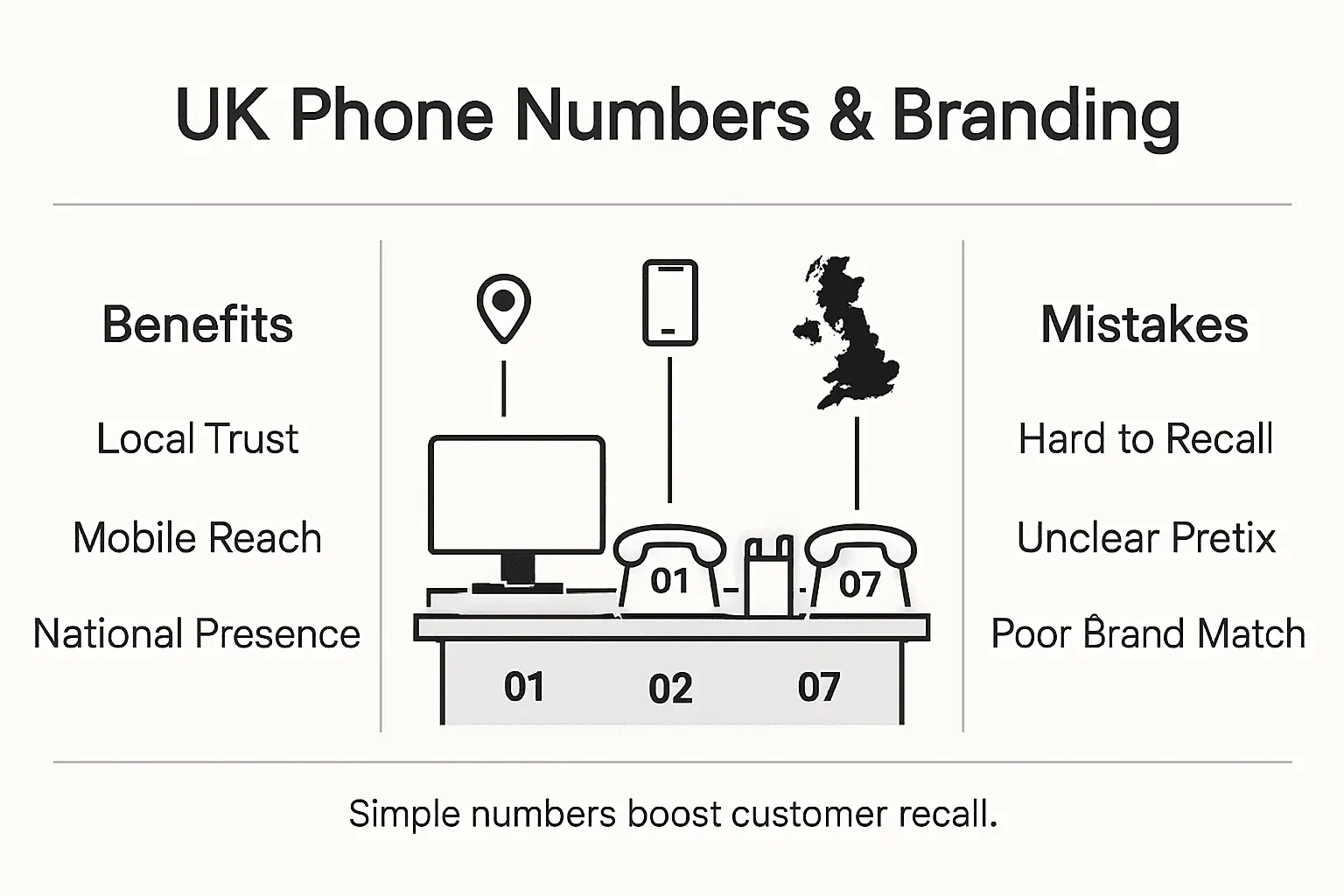
Businesses frequently make critical mistakes when selecting telephone numbers, undermining their potential branding impact. Common errors include choosing random number sequences, failing to consider memorability, and overlooking the psychological implications of number selection. A plumber with a forgettable mobile number might struggle to generate repeat business, whereas a taxi firm with a catchy, easy-to-recall number can enhance customer retention and word-of-mouth marketing.
The strategic selection of a telephone number involves understanding subtle psychological triggers. Numbers that are rhythmic, have repeating digits, or follow memorable patterns can significantly improve customer recall. For instance, a number like 0800 123 4567 is inherently more memorable than a seemingly random sequence. Professional service businesses particularly benefit from numbers that suggest reliability, accessibility, and local presence, creating an immediate sense of trust and approachability.
Navigating the complex landscape of telephone number branding requires careful consideration of both aesthetic appeal and practical functionality. Businesses must balance regulatory compliance, marketing potential, and customer experience when making their selection. The right number can serve as a silent marketing ambassador, communicating professionalism and approachability without saying a word.
The following table outlines common business phone number selection mistakes and the impact they can have:
| Mistake | Negative Impact | Example |
|---|---|---|
| Random number choice | Low customer recall | 07345 982617 |
| Ignoring rhythmic patterns | Harder to remember | 020 7854 2391 |
| Using premium numbers for main line | Deters callers due to cost | 0871 123 4567 |
| Overlooking local identity | Loses local trust | London shop using 0121 number |
Pro tip: Test potential phone numbers with a small focus group to gauge memorability and emotional response before making a final selection.
Elevate Your Business Presence with the Perfect UK Telephone Number
Choosing the right UK telephone number is more than just securing contact details It is about boosting your business visibility and building trust through memorable 01, 02 landline or 07 mobile numbers as discussed in the article. Many businesses struggle with finding numbers that combine professionalism with memorability while reflecting their brand identity and local or national aspirations
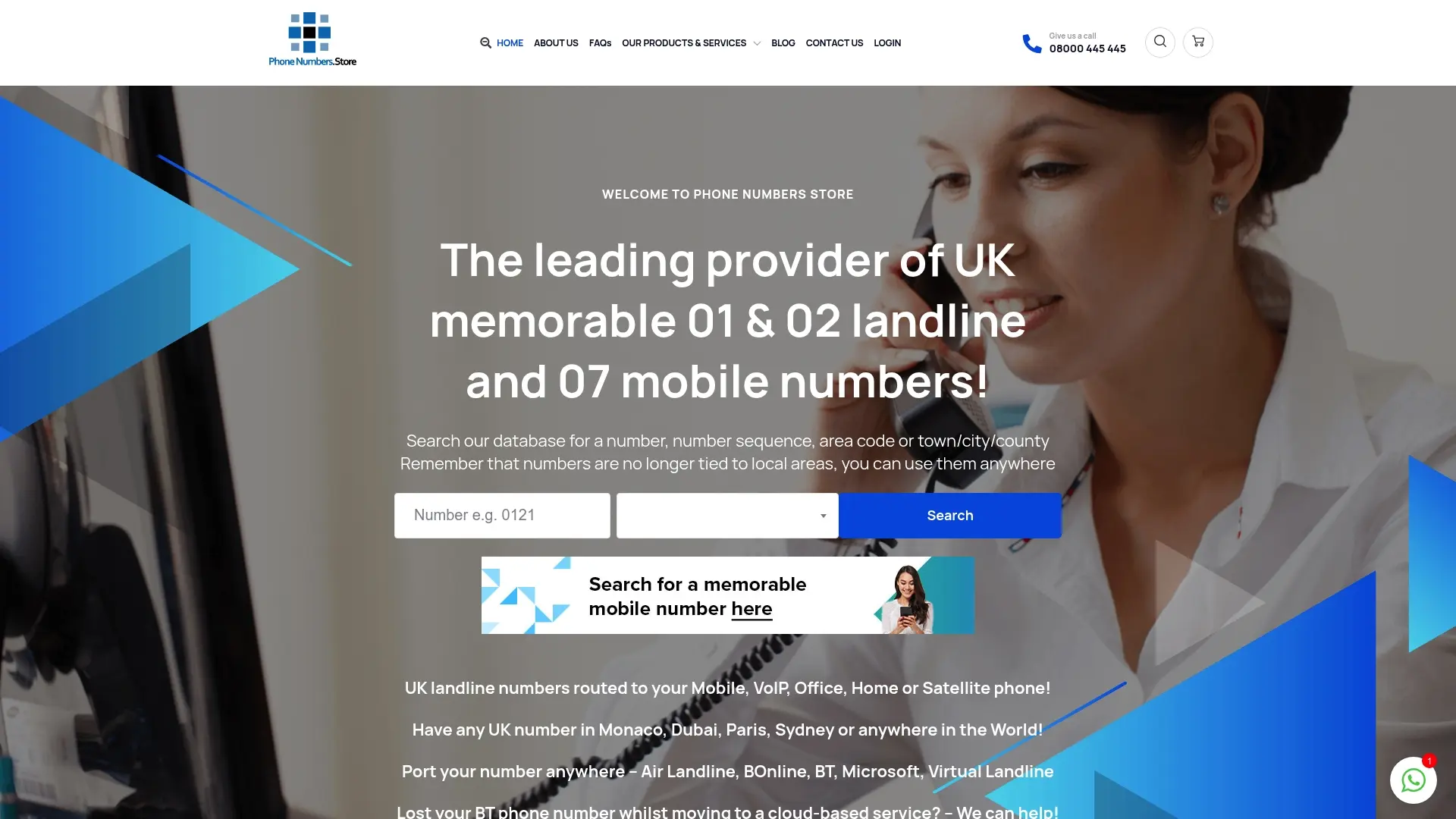
At PhoneNumbers Store, we understand these challenges and offer a comprehensive database to search for numbers by sequence, area code, or location such as town, city or county. With numbers no longer tied to geographic areas, your business can benefit from flexible, memorable telephone numbers that create a strong first impression Use our intuitive platform to choose numbers that resonate with your target audience and project the right image
Why struggle with random or hard-to-recall numbers when you can
- Select from a wide range of local and mobile numbers that suit your brand
- Leverage the power of memorable sequences that enhance customer recall
- Gain the flexibility to use numbers anywhere in the UK regardless of your physical base
Explore our database now to find the perfect number that will help your business stand out from the crowd
Take control of your business communication today and secure a memorable UK telephone number that fits your business strategy Visit PhoneNumbers Store and start your search immediately because every call counts when it comes to growing your business
Frequently Asked Questions
What are the different types of telephone numbers in the UK?
The UK telephone numbering system includes geographic numbers (starting with 01 and 02), mobile numbers (beginning with 07), non-geographic numbers (03 for national cost parity), and special rate numbers (08 and 09 for premium services).
How can small businesses use phone numbers to enhance their branding?
Small businesses can enhance branding by choosing memorable and relevant telephone numbers that reflect their services. For example, a plumber may opt for a local 0161 geographic number to establish community presence, while a taxi firm might choose an easy-to-remember mobile number to emphasize flexibility.
What is number portability and how does it benefit businesses?
Number portability allows businesses to transfer their existing phone numbers between service providers without losing their established contact information. This flexibility helps maintain brand recognition and ensures continuity in customer communication.
What legal regulations should businesses be aware of regarding UK telephone numbers?
Businesses must comply with Ofcom’s regulations which govern number ownership and usage. This includes understanding allocation rules, compliance with tariff regulations, and ensuring transparency in number usage to maintain fair competition and consumer protection.