
Every business projects a unique image, setting itself apart not just with a logo or a name but something much deeper. Here is the surprise: over 80 percent of consumers say they are more likely to trust a company that clearly displays its official business numbers and credentials. Most would expect branding to be all about clever design, but the real trust comes from details like registration numbers and transparent business identity. That is what truly makes a company stand out.
Table of Contents
- What Is Business Identity And Why Is It Important?
- The Role Of Business Numbers In Identification And Regulation
- How Business Identity And Numbers Influence Branding
- Understanding Legal Compliance In Business Identity
- The Impact Of Business Identity And Numbers On Customer Trust
Quick Summary
| Takeaway | Explanation |
|---|---|
| Business identity is essential for differentiation. | A strong business identity helps distinguish your company in competitive markets, attracting loyal customers and higher prices. |
| Business numbers ensure legal compliance and accountability. | Unique identifiers like registration numbers validate business operations and help maintain regulatory compliance with government agencies. |
| Transparency fosters customer trust and reliability. | Displaying clear business identification signals credibility and instills confidence in customers looking for legitimate companies. |
| Strong identity guides strategic decision-making. | A well-defined business identity acts as a compass for marketing, employee interactions, and product development, ensuring alignment with company values. |
| Integrate identity and numbers in branding strategies. | Merging business identity and official numbers enhances brand perception, establishing professionalism and a commitment to transparency. |
What is Business Identity and Why is it Important?
Every business operates with a unique identity that distinguishes it from competitors and communicates its core values, purpose, and positioning. Business identity represents far more than a logo or visual design - it encompasses the fundamental characteristics that define how a company presents itself to customers, partners, and the broader marketplace.
Understanding Business Identity Fundamentals
A comprehensive business identity integrates multiple critical elements. These include your brand’s visual representation, communication style, mission statement, core values, and the specific manner in which you deliver products or services. According to Enterprise Nation, businesses with a strong identity can effectively differentiate themselves in competitive markets.
The components of business identity typically involve:
Below is a table outlining the key components of business identity and a brief explanation of each, clarifying what forms a comprehensive identity beyond visual branding.
| Component | Explanation |
|---|---|
| Visual branding elements | The logo, colour palette, and design aesthetic used to represent the business visually. |
| Communication tone and messaging | The language style and approach in both written and verbal company communications. |
| Organisational values and ethics | The guiding principles, ethical standards, and values upheld by the business. |
| Unique selling propositions | Distinctive factors that differentiate the business’s products or services in the market. |
| Customer interaction approach | The typical ways in which the business engages and supports its customers. |
- Visual branding elements (logo, colour palette, design aesthetic)
- Communication tone and messaging strategy
- Organisational values and ethical standards
- Unique selling propositions
- Customer interaction approach
Strategic Importance of Business Identity
Building a robust business identity serves multiple strategic purposes. It helps potential customers understand what makes your business unique, builds trust through consistent representation, and creates emotional connections that transform casual interactions into long-term relationships.
Businesses with well-defined identities can command premium pricing, attract loyal customers, and establish themselves as credible players within their industry. Your business identity becomes a powerful communication tool that speaks volumes about your organisation’s character, capabilities, and commitment to delivering exceptional value.
Moreover, a strong business identity acts as a strategic compass, guiding decision making, marketing efforts, and organisational culture.
The following table compares the strategic significance and impact of business identity and business numbers, highlighting their distinct but complementary roles.
| Aspect | Business Identity | Business Numbers |
|---|---|---|
| Primary Role | Establishes differentiation and reputation | Enforces legal compliance and accountability |
| Impact on Branding | Shapes perception and emotional connection | Signals legitimacy and professionalism |
| Key Stakeholders | Customers, employees, marketplace | Regulatory agencies, financial institutions, partners |
| Core Benefit | Attracts loyal customers and premium pricing | Enables transparent operations and regulatory trust |
| It provides a clear framework for how employees interact with customers, how products are developed, and how the business positions itself in the marketplace. |
The Role of Business Numbers in Identification and Regulation
Business numbers serve as fundamental identifiers that enable organisations to operate legally, establish financial credibility, and interact with government agencies, financial institutions, and regulatory bodies. These unique numerical identifiers are critical mechanisms for tracking business activities, ensuring accountability, and maintaining transparent economic ecosystems.
Understanding Business Registration Numbers
Every registered business receives specific numerical identifiers that validate its legal existence and operational status. According to Companies House, these registration numbers provide essential proof of a company’s official registration and allow stakeholders to verify its authenticity.
Business registration numbers typically include:
This table summarises the different types of business registration numbers commonly used in the UK and their main functions, helping clarify the role of each identifier.
| Registration Number Type | Main Function |
|---|---|
| Company registration number | Confirms official company registration with Companies House. |
| Tax identification number | Used for tax reporting and correspondence with HMRC. |
| VAT registration number | Required to collect and remit Value Added Tax. |
| Unique taxpayer reference | Identifies individual businesses for tax purposes. |
| Employer identification number | Enables the business to operate payroll and report to HMRC. |
- Company registration number
- Tax identification number
- VAT registration number
- Unique taxpayer reference
- Employer identification number
Regulatory and Financial Significance
Business numbers play a pivotal role in regulatory compliance and financial transparency. They enable government agencies to track business performance, monitor tax obligations, and ensure organisations meet statutory requirements. Financial institutions rely on these numbers to assess creditworthiness, process transactions, and manage business banking relationships.
Moreover, these numerical identifiers facilitate critical administrative functions such as filing tax returns, opening business bank accounts, applying for loans, and participating in government procurement processes. They represent a business’s official digital fingerprint within the broader economic infrastructure, allowing seamless interaction between organisations, regulatory bodies, and financial systems.
How Business Identity and Numbers Influence Branding
Branding transcends mere visual aesthetics, encompassing a complex interplay between a business’s identity, numerical identifiers, and perceived market positioning. The strategic integration of business numbers and identity elements creates a comprehensive narrative that communicates professionalism, reliability, and unique market value.
Numerical Credibility in Brand Perception
According to Small Business UK, businesses leverage their official numbers and identity markers to establish immediate credibility with potential customers and partners. These identifiers signal legitimacy and demonstrate a structured, professional approach to business operations.
Key elements of numerical branding include:
- Consistent use of registration numbers across marketing materials
- Transparent display of business identification codes
- Strategic incorporation of unique numerical identifiers
- Professional representation of official business documentation
- Clear communication of regulatory compliance
Strategic Brand Differentiation
Business numbers and identity work synergistically to distinguish an organisation from competitors. They provide a unique fingerprint that goes beyond visual branding, offering potential clients and stakeholders a deeper understanding of the business’s authenticity and operational framework.
These numerical identifiers communicate more than basic information - they represent a business’s commitment to transparency, legal compliance, and professional standards. By thoughtfully integrating business numbers into branding strategies, organisations can create a compelling narrative that builds trust, demonstrates reliability, and positions themselves as credible market players.
Understanding Legal Compliance in Business Identity
Legal compliance represents a critical framework within which businesses must operate, ensuring their identity and operational practices align with established regulatory standards. This comprehensive approach involves adhering to specific legal requirements that govern business registration, documentation, financial reporting, and public disclosure.
Mandatory Identification Requirements
According to GOV.UK, businesses must meet stringent legal obligations regarding their identity and documentation. These requirements are designed to promote transparency, prevent fraudulent activities, and maintain the integrity of the business ecosystem.
Key legal compliance elements include:
- Accurate registration of business entity
- Proper display of company registration numbers
- Maintenance of official company records
- Transparent financial documentation
- Timely submission of statutory reports
Consequences of Non-Compliance
Failing to meet legal compliance standards can result in significant penalties and potential legal challenges.
This table outlines the key consequences businesses may face for non-compliance with legal identification and documentation requirements in the UK.
| Consequence | Description |
|---|---|
| Financial Penalties | Fines or charges imposed for failure to meet statutory obligations. |
| Potential Dissolution | Risk of the business being struck off the official register. |
| Legal Prosecution | Possible criminal proceedings for serious or intentional breaches. |
| Reputational Damage | Loss of customer and stakeholder trust due to perceived illegitimacy. |
| Businesses that do not accurately represent their identity or misuse their registration numbers may face financial sanctions, potential dissolution, or criminal prosecution. |
Legal compliance goes beyond mere administrative formality. It serves as a fundamental mechanism for protecting stakeholder interests, ensuring fair business practices, and maintaining the credibility of the broader economic system. By meticulously adhering to regulatory requirements, businesses demonstrate their commitment to ethical operations and build trust with customers, investors, and government authorities.

The Impact of Business Identity and Numbers on Customer Trust
Customer trust represents a delicate and complex ecosystem where a business’s identity and numerical representation play pivotal roles in establishing credibility, transparency, and professional reliability. The intricate relationship between how a business presents itself and the official identifiers it uses can significantly influence potential customers’ perceptions and decision making processes.
Transparency and Verification Mechanisms
According to the Federation of Small Businesses, businesses that provide clear, verifiable identity information demonstrate a commitment to openness that resonates deeply with modern consumers. Customers increasingly seek reassurance through tangible proof of a business’s legitimacy and operational standards.
Key elements that build customer trust include:
- Consistent and accurate display of registration numbers
- Transparent communication of business credentials
- Easily accessible company information
- Professional representation of official documentation
- Clear channels for customer verification
Psychological Dimensions of Business Identification
Business identity and numbers serve more than administrative purposes they function as psychological signals of reliability and professionalism. When customers can easily validate a company’s existence through official identifiers, they experience increased confidence in the business’s authenticity.
The numerical and identity framework creates a sense of security, transforming abstract business interactions into trustworthy relationships.
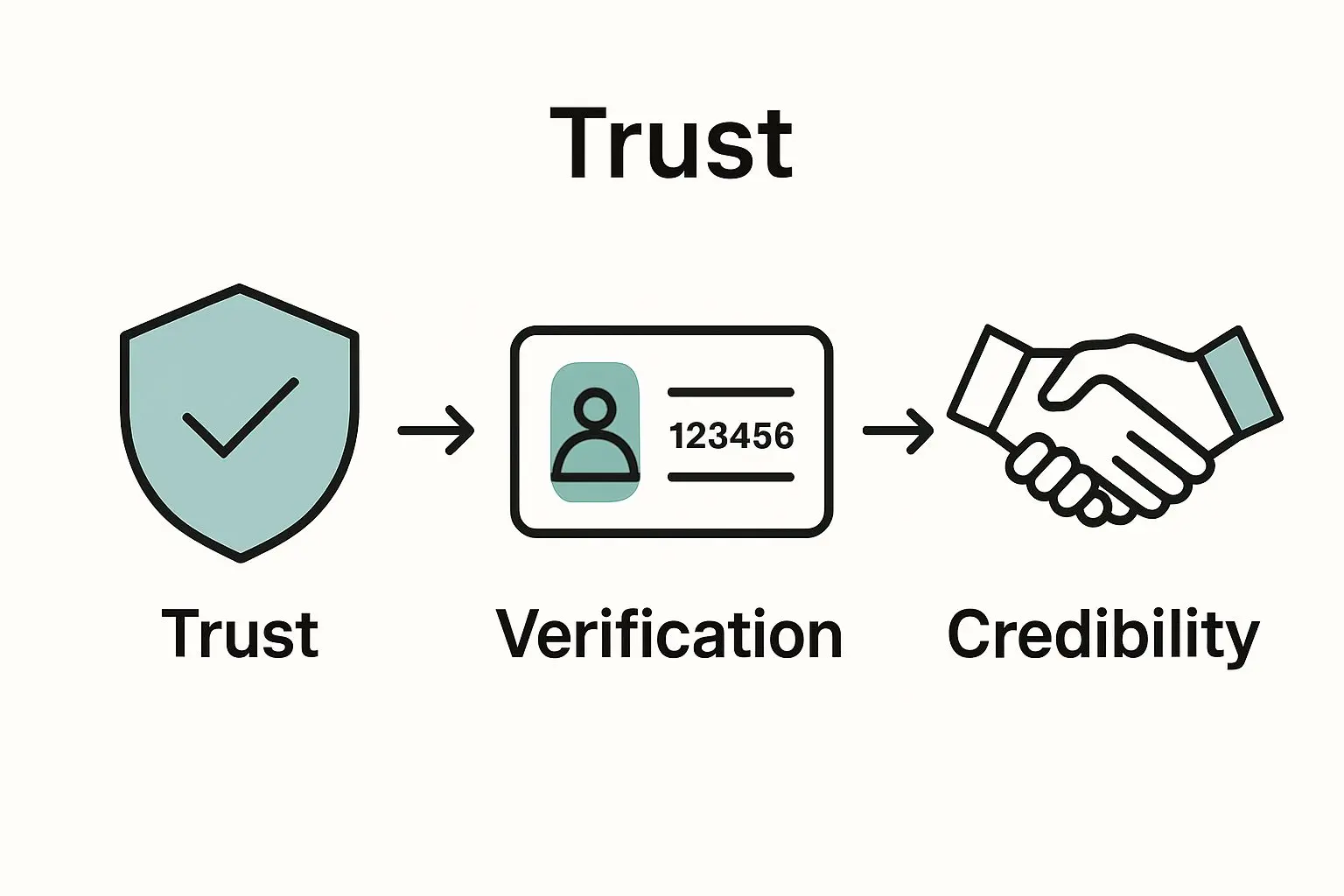 By presenting a coherent, verifiable identity, businesses communicate their commitment to accountability, regulatory compliance, and ethical operation, which are fundamental in establishing and maintaining customer confidence.
The Smartest Way to Strengthen Your Business Identity Today
Is your business struggling to stand out and earn your customers’ trust? This article reveals how critical your business identity and official numbers are for building credibility, transparency, and lasting relationships. Yet, many UK businesses miss one major asset for boosting their brand’s professionalism — a truly memorable phone number. With a unique number, you do not just comply with regulations, you present an image of reliability and approachability at every touchpoint.
Harness the power of a bespoke telephone presence and differentiate your business instantly. Search for your ideal 01, 02, or 07 number today at phonenumbers.store and let your number do the talking. Your clients will recognise your commitment to trust, clarity, and seamless communication from the first call. Explore our selection now and discover how the right number elevates your business identity for long?term success. Visit phonenumbers.store to take the next step towards a stronger brand.
Frequently Asked Questions
What is business identity and why does it matter?
Business identity refers to the unique characteristics that define how a company presents itself to the market, including its values, branding, and communication style. It matters because a strong business identity helps differentiate your company from competitors and fosters trust and emotional connections with customers.
How can I create a strong business identity?
To create a strong business identity, start by defining your core values, mission, and unique selling propositions. Assess your visual branding elements, including logo and design, while ensuring consistent messaging across all channels to reflect these identity components.
What are business registration numbers, and why do I need them?
Business registration numbers are unique numerical identifiers assigned to registered companies that validate their legal existence. You need these numbers to comply with regulatory requirements, establish credibility with partners, and maintain transparent financial operations.
How can business numbers enhance my brand perception?
Integrating business numbers into your branding strategy can enhance brand perception by signalling legitimacy and professionalism. Include these identifiers consistently in your marketing materials and official documentation to build trust and credibility with potential customers.
What legal compliance aspects should I consider for my business identity?
Key legal compliance aspects include accurately registering your business entity, maintaining official company records, and ensuring timely submission of statutory reports. Review your documentation regularly to ensure compliance and prevent potential penalties or legal challenges.
How do business identity and numbers influence customer trust?
Business identity and numbers influence customer trust by providing verifiable proof of a company’s legitimacy and operational standards. To enhance trust, ensure that your registration numbers and credentials are clearly displayed and accessible for customers to verify easily.