
TL;DR:
- A caller friendly number is a memorable, branded phone number designed for easy recall and trust, often featuring word patterns or familiar prefixes. It includes technical features like CNAM registration and STIR/SHAKEN authentication to enhance credibility and answer rates. UK businesses should carefully select, acquire, and monitor their numbers to maintain a strong reputation and maximize outbound call effectiveness.
A caller friendly number is a custom-designed business telephone number built for memorability, trust, and higher answer rates. In the industry, these are more formally known as vanity numbers or branded caller ID numbers. UK businesses increasingly rely on them to cut through the noise of unknown and spam-labelled calls. This guide explains the caller friendly numbers meaning in practical terms, covers the technical features that make them work, and shows you how to acquire and protect one for your business.
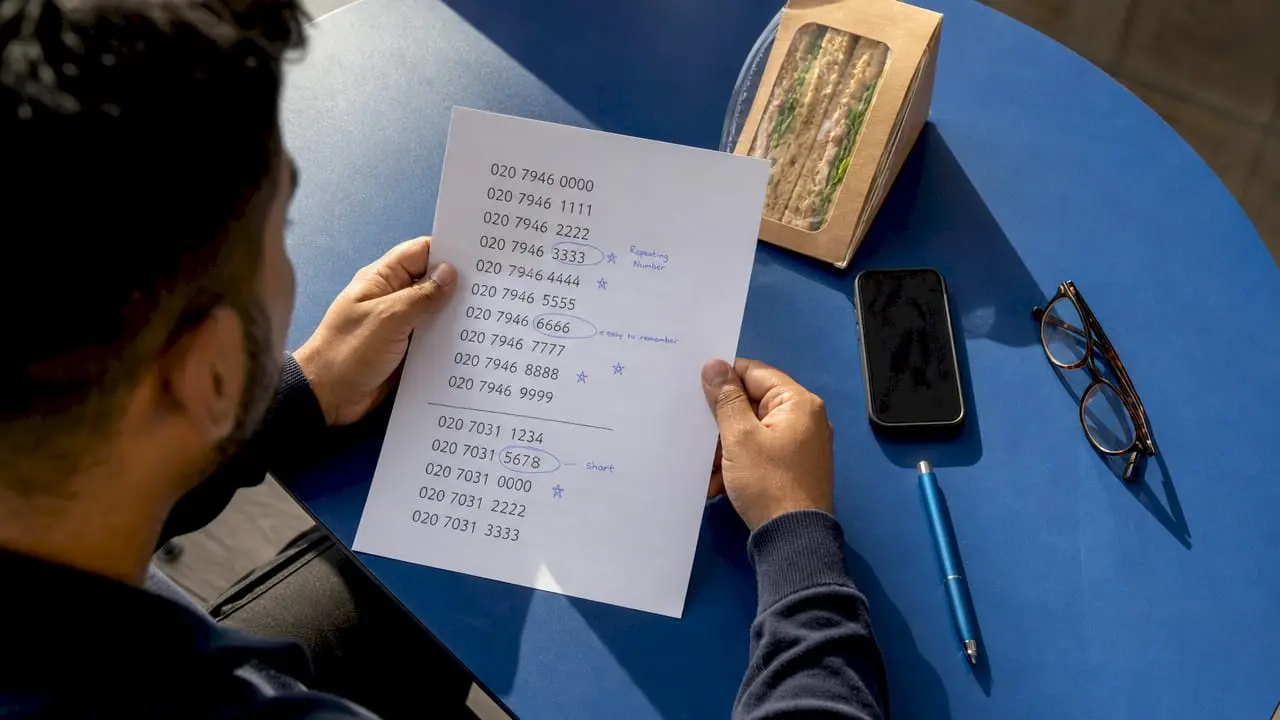
What is a caller friendly number?
A caller friendly number is intentionally designed for easy recall, often spelling words or repeating digit patterns, and uses recognisable prefixes to build brand credibility. Think of a number like 0800 FLOWERS or a local number with a repeating sequence such as 0113 255 0000. The design goal is simple: make the number impossible to forget and easy to share. For UK businesses, this means choosing from 01 and 02 geographic landline prefixes or 07 mobile numbers, all of which carry inherent familiarity with British callers.
The distinction between a caller friendly phone number and a standard business line goes beyond aesthetics. A standard number is assigned at random by a carrier. A caller friendly number is selected, often purchased or rented, and then configured with technical identity features that tell recipients exactly who is calling before they pick up. That combination of memorability and verified identity is what separates a number that gets answered from one that gets ignored.
CNAM (Caller Name Delivery) registration sits at the heart of this. CNAM registration ensures your official company name appears on the recipient’s phone screen, dramatically improving answer rates compared to displaying “Unknown” or triggering a “Spam Likely” warning. For any UK business making outbound calls, this is not optional. It is the baseline for professional outreach.
What features make a number caller friendly?
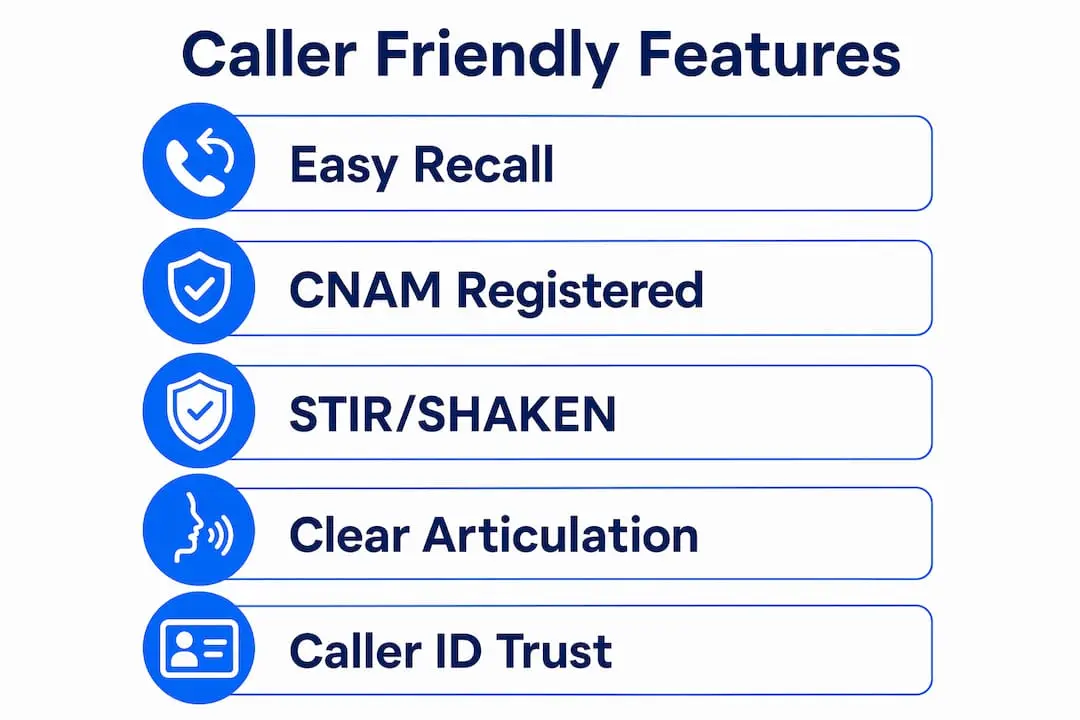
The features that define caller friendly phone numbers fall into two categories: design features that aid memorability, and technical features that build trust with carriers and recipients.
Design features for memorability:
- Word spelling or vanity patterns. Numbers that spell a word on a keypad, such as 0800 PLUMBER, are recalled far more easily than random digit strings. Even partial word patterns improve retention significantly.
- Repeating digit sequences. Numbers like 0115 928 8888 use repetition to make the final digits stick in the memory. Callers who hear it once in a radio advert can recall it hours later.
- Familiar prefixes. In the UK, 0800 numbers signal free calling from landlines. Geographic 01 and 02 prefixes signal local presence and legitimacy. 07 numbers signal mobile accessibility. Each prefix carries a different trust signal depending on your audience.
- Oral clarity. A number must sound as clear as it looks. Auditory testing means saying the number aloud and checking whether it is unambiguous, easy to repeat, and free of sounds that could be misheard.
Technical features that build trust:
Business caller ID is distinct from personal caller ID or call masking. Personal caller ID simply transmits whatever number is registered to the SIM. Business caller ID, properly configured, displays your company name alongside the number, creating a professional first impression before the call is even answered. Call masking, by contrast, hides the real originating number, which actively damages trust.
STIR/SHAKEN authentication is the technical protocol that verifies a call’s origin and prevents spoofing. Carriers and third-party apps like Hiya use this data to decide whether to label a call as verified, unknown, or spam. A number that passes STIR/SHAKEN authentication is far less likely to be flagged, and far more likely to be answered.
Pro Tip: Say your candidate number out loud three times in a row, then ask a colleague to write it down from memory. If they get it right, the number passes the oral clarity test. If they hesitate or make an error, keep searching.
How to choose and acquire a caller friendly number for your UK business
Acquiring the right number requires more than a quick search. Follow these steps to make a decision you will not regret in two years.
-
Define your prefix strategy first. Decide whether a freephone 0800 number, a geographic 01 or 02 number, or a mobile 07 number best serves your audience. Geographic numbers signal local presence. Freephone numbers remove cost barriers for callers. Mobile numbers suit businesses with a field-based or personal service model.
-
Search using a real-time database. VoIP providers offer real-time search tools to find available vanity or toll-free numbers. Phonenumbers provides exactly this for UK 01, 02, and 07 numbers, letting you search by number sequence, area code, or town. If your ideal sequence is taken, explore alternatives with the same pattern in a different area code.
-
Do not fixate on a single prefix. Newer toll-free prefixes offer equally memorable branding options when the most popular choices are unavailable. The same logic applies in the UK: a 0333 or 03 number may serve your business just as well as an 0800 if the specific sequence you want is available there.
-
Confirm ownership and porting rights before you commit. Leasing a number without full ownership risks losing it entirely if you switch providers. Always confirm that you can port the number to a new carrier. This is non-negotiable for long-term brand consistency.
-
Set up call routing and voicemail from day one. A caller friendly number that rings out to nothing destroys the trust it was designed to build. Configure auto-attendant greetings, call routing rules, and a professional voicemail message before you publish the number anywhere.
-
Request text-enabling separately if you need it. Text-enabling a business number is not automatic. It requires a specific request to your provider. If your marketing uses SMS, confirm this capability before purchasing.
Pro Tip: When comparing providers, ask specifically whether the number is yours to keep or theirs to reclaim. The answer tells you everything about the long-term risk of that relationship.
How does caller ID reputation affect your number’s effectiveness?
Call reputation is an active asset, not a passive one. Carriers, analytics engines, and third-party apps constantly score outbound numbers based on call behaviour, complaint rates, and authentication status. A number with a poor reputation score gets labelled as spam before it even rings.
“Business call reputation is a fragile asset. Proactive management through authentication and registration is the only reliable way to sustain outreach effectiveness over time.” — Why your outbound calls are blocked
Registration with analytics engines such as First Orion, Hiya, and TNS is the first line of defence. These platforms power the caller ID displays on millions of smartphones. Registering with these engines allows your business name to appear correctly and reduces the probability of a spam label appearing. Without registration, even a perfectly designed vanity number can be undermined by a single wave of complaints.
Call volume management matters just as much. Limiting outbound call volume per number and monitoring complaint rates prevents triggering carrier spam filters. Flooding a number with hundreds of calls per day without proper authentication is the fastest route to a blocked status.
The table below summarises the key reputation factors and their practical impact:
| Reputation factor | What it affects | Action required |
|---|---|---|
| STIR/SHAKEN authentication | Carrier verification status | Register with your VoIP provider |
| CNAM registration | Name displayed on recipient’s screen | Submit to CNAM database |
| Analytics engine registration | Spam label prevention | Register with First Orion, Hiya, TNS |
| Outbound call volume | Spam filter triggers | Limit daily call frequency per number |
| Complaint monitoring | Ongoing reputation score | Review reports monthly |
For UK businesses, Ofcom’s guidelines on outbound calling add a regulatory layer. Calling outside permitted hours, failing to identify the business on the call, or using abandoned call rates above the permitted threshold all damage both legal standing and call reputation simultaneously.
What are the benefits of caller friendly numbers for UK businesses?
The benefits of caller friendly numbers are measurable and directly tied to revenue outcomes.
- Higher answer rates. A number that displays a recognisable business name instead of “Unknown” is answered far more often. Branded caller ID boosts trust and answer rates in a way that anonymous numbers simply cannot replicate.
- Better customer recall. A memorable number is shared by word of mouth, written on a notepad, and remembered after a single radio advert. The benefit of a memorable phone number compounds over time as your number becomes part of your brand identity.
- Reduced missed opportunities. Every unanswered call is a potential customer lost. A caller friendly number reduces the friction between a prospect deciding to call and actually completing that call.
- Enhanced brand credibility. A business with a structured, memorable number signals professionalism. A random string of digits signals the opposite, particularly in sectors like legal, financial, and healthcare services where trust is the primary purchase driver.
- Cost clarity for callers. Toll-free numbers provide free calling from landlines, removing a psychological barrier for customers who might otherwise hesitate. Understanding that mobile users may still incur airtime costs helps businesses communicate this accurately in their marketing.
The advantages of owning memorable phone numbers extend beyond marketing. Customer service teams report fewer repeat-call issues when callers can easily redial a number they remember, reducing the burden on call queues and improving first-contact resolution rates.
Key takeaways
A caller friendly number combines a memorable digit pattern with verified caller identity features to increase answer rates and build lasting brand credibility for UK businesses.
| Point | Details |
|---|---|
| Definition matters | A caller friendly number is a vanity or branded number designed for recall and trust, not just contact. |
| CNAM registration is non-negotiable | Displaying your company name on recipients’ screens directly improves answer rates. |
| Ownership protects your brand | Always confirm porting rights before acquiring a number to avoid losing it when switching providers. |
| Reputation requires active management | Register with First Orion, Hiya, and TNS to prevent spam labels and maintain outreach effectiveness. |
| Prefix choice signals intent | Geographic 01/02, freephone 0800, and mobile 07 numbers each carry distinct trust signals for UK audiences. |
Why caller ID is not a set-and-forget decision
Most businesses treat their phone number as infrastructure, something you set up once and never revisit. That is a mistake I have seen cost companies real revenue. A number that was clean and well-regarded two years ago can accumulate a poor reputation through nothing more than a busy sales period with high call volumes and a handful of complaints.
The auditory testing point is one that almost nobody does in practice. I have reviewed dozens of business number choices where the sequence looked elegant on paper but was genuinely confusing when spoken aloud. “Is that a five or a nine?” is not a question you want a potential customer asking themselves. Say the number out loud before you commit. Record yourself saying it and play it back. It sounds obvious, but it is rarely done.
The other underappreciated issue is prefix scalability. Businesses often choose a number tied to a specific geographic area code because it feels local and trustworthy. That is a sound instinct. But if your business grows nationally, a Leeds 0113 number can still work perfectly well as your primary contact number. Numbers are no longer tied to local areas in the UK. You can use a geographic number anywhere, which means the choice of prefix is a branding decision, not a geographic constraint.
My honest recommendation: treat your caller friendly number as you would a domain name. Research it carefully, own it outright, register it properly, and monitor its reputation on a schedule. The businesses that do this consistently are the ones whose calls get answered.
— Rob
Find your caller friendly number with Phonenumbers
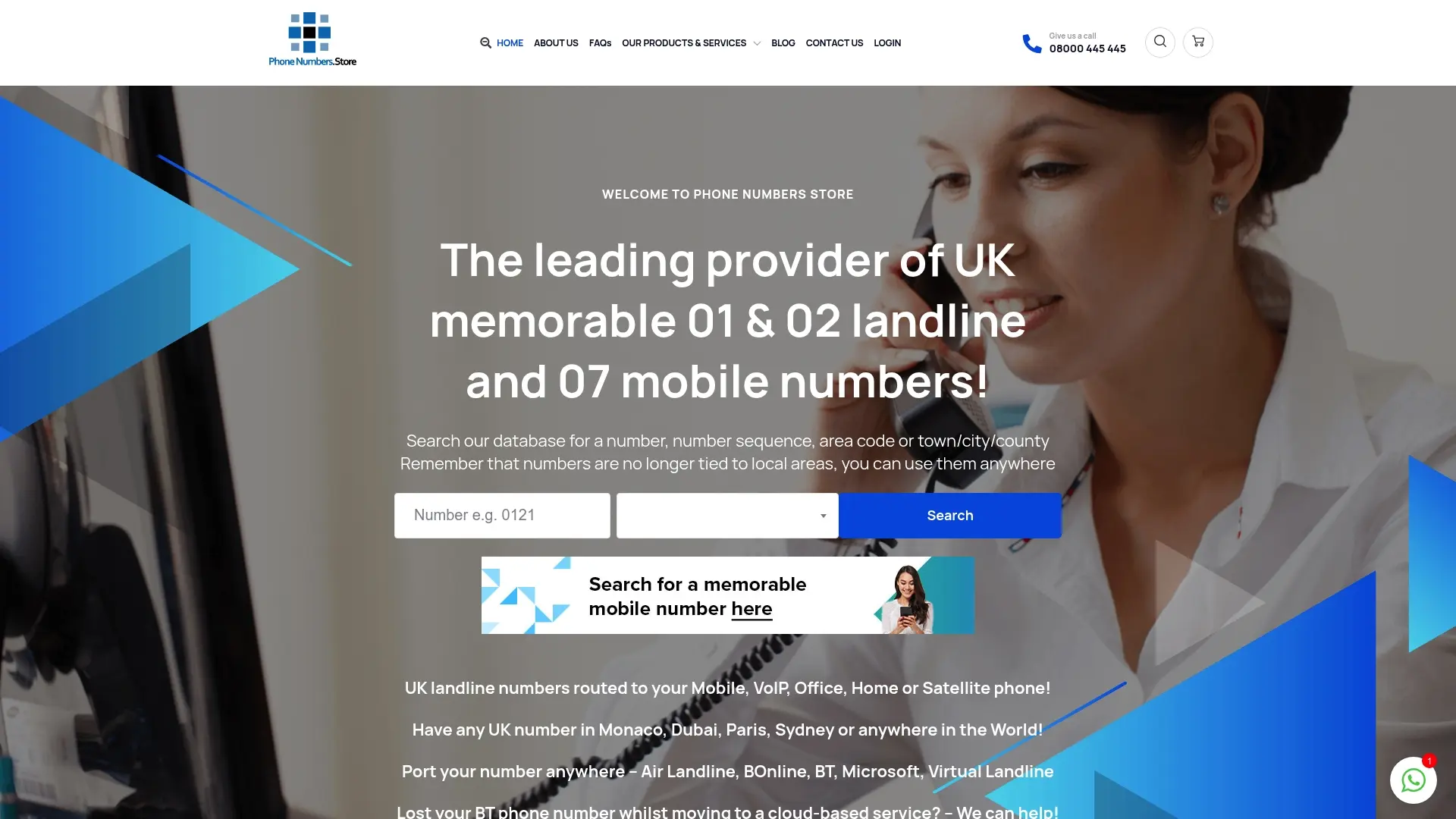
Phonenumbers is the UK’s leading provider of memorable 01, 02, and 07 numbers, with a searchable database covering number sequences, area codes, and towns across the country. Whether you want a repeating pattern like 0113 255 0000 or a sequence built around your local area such as 0115 928 8888, you can search, compare, and secure your number in minutes. Numbers are available to buy or rent, and because they are no longer tied to geographic locations, you can use any UK number anywhere. Browse the full catalogue at Phonenumbers and find a number that works as hard as your business does.
FAQ
What does caller friendly number mean?
A caller friendly number is a telephone number designed for easy memorability and professional recognition, typically using repeating digit patterns, word spelling on a keypad, or familiar prefixes like 0800 or geographic 01/02 codes. The term is used interchangeably with vanity number or branded number in the industry.
What makes a phone number caller friendly?
A number is caller friendly when it is easy to remember, clearly articulated when spoken aloud, and configured with CNAM registration so the business name appears on the recipient’s screen. Avoiding spam labels through STIR/SHAKEN authentication is equally important.
Can I use a geographic UK number outside its local area?
Yes. UK phone numbers are no longer tied to their geographic area codes. A business based in Manchester can use a Leeds 0113 number as its primary contact, and callers will reach you regardless of location.
How do I stop my number being labelled as spam?
Register your number with caller analytics engines such as First Orion, Hiya, and TNS, complete CNAM registration, and keep outbound call volumes at a sustainable level. Monitoring complaint rates monthly helps catch reputation issues before they escalate.
Should I buy or rent a caller friendly number?
Buying outright gives you full ownership and porting rights, protecting your number if you change providers. Renting is lower cost initially but carries the risk of losing the number if the provider relationship ends. For a number central to your brand identity, ownership is the safer long-term choice.