
TL;DR:
- Numbers play a dual role in business identity by establishing legal credibility and shaping customer perception through branding. Verifiable operational identifiers ensure trust, while memorable numeric branding elements like price endings and phone numbers influence consumer preferences and recall. Strategic use of these numbers, including typography and formatting, significantly enhances brand reliability, recognition, and overall market positioning.
Numbers define business identity at two distinct levels: as verified operational identifiers that establish legal credibility, and as cognitive branding tools that shape how customers feel about your brand before they ever speak to you. The role of numbers in business identity is far more deliberate than most entrepreneurs realise. From your Employer Identification Number to the price ending on your flagship product, every digit sends a signal. Research confirms that numeric branding elements change customer processing fluency and preferences, affecting willingness to pay. Understanding both dimensions gives you a measurable advantage.
1. The role of numbers in business identity: two distinct layers
Business identity through numbers operates on two parallel tracks. The first is operational: verified numeric identifiers like your EIN, Companies House registration number, and VAT number form the compliance backbone of your business. The second is perceptual: the numbers you choose for product names, pricing, and contact details shape how customers cognitively process and remember your brand.
Most entrepreneurs focus on one track and ignore the other. That is a costly oversight. Verified numeric identifiers are critical for valid business identity profiles, and unverified numeric data leads to perceived unreliability in customer and partner relations. Equally, the wrong price ending or a forgettable phone number quietly erodes brand trust without you ever knowing why.
2. How official numeric identifiers establish trust
The IRS defines an EIN as a unique federal tax identifier that must match business registration documents precisely, with unauthorised applications rendered invalid. In the UK context, the equivalent is your Companies House registration number and UTR (Unique Taxpayer Reference), which function identically as verified anchors of your operational identity. These numbers are not administrative formalities. They are the first thing a supplier, bank, or enterprise client checks before doing business with you.
PaymentWorks research confirms that numeric data hygiene in onboarding and transactions directly prevents friction and enhances perceived reliability. A business that presents consistent, verified numeric data across invoices, contracts, and payment portals signals professionalism before a single conversation takes place. Inconsistency in these identifiers, even a transposed digit, triggers fraud alerts and stalls payments.
- Keep your registration number, VAT number, and bank sort code consistent across every document, invoice, and digital profile.
- Audit your numeric identifiers annually to catch discrepancies before they reach a client or payment processor.
- Display your Companies House number on your website footer and all formal correspondence, as legally required in the UK.
Pro Tip: Cross-reference your numeric identifiers on Companies House, HMRC, and your bank mandate at least once per year. A single mismatch can delay payments by weeks and damage your reputation with enterprise clients.
3. Numeric branding: how numbers in names and products shape perception
The importance of numbers in branding goes well beyond aesthetics. Researchers studying cognitive fluency in brand names found that consumers prefer numbers they can process easily, with familiar arithmetic relationships increasing willingness to pay by 10%. The classic example is Zinc 24 versus Zinc 31. Consumers preferred Zinc 24 not because 24 is inherently better, but because 24 is a number they encounter constantly in daily life (hours in a day), making it feel familiar and trustworthy.
This effect extends to product model numbers. When a brand names a product using numbers that relate arithmetically to its marketing claims, consumers process the connection subconsciously and rate the product more favourably. Consider how this principle applies to your own product line.
“Numbers in branding affect cognitive fluency, making brands more approachable and preferred, supported by school-learned arithmetic familiarity.” — CBC Radio research summary
The numeric significance in business extends to typography as well. A Monotype neuromarketing study conducted with Neurons found that typefaces enhance perceived relevance by 13%, memorability by 10%, and trustworthiness by 9%. This means the font in which you display your numeric brand elements, whether a price, a model number, or a phone number, carries measurable weight in how customers judge your brand.
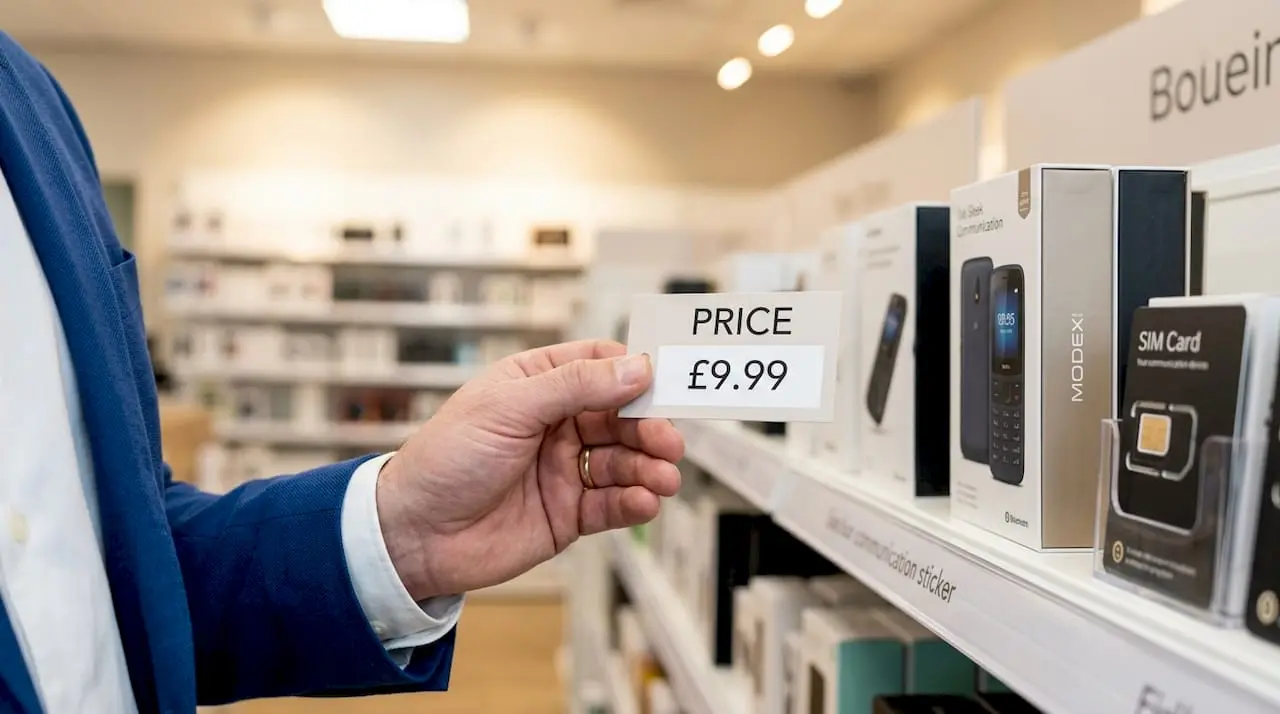
Price endings are perhaps the most studied numeric branding tool. Research published in the Journal of Revenue and Pricing Management using implicit association tests shows that 9-ending prices activate low-quality associations in consumers’ minds, despite their well-known conversion benefits. For premium brands, a £299 price point may drive more clicks but simultaneously undermine the quality perception you have spent years building.
4. Operational identifiers vs branding numbers: a practical comparison
Understanding the distinction between these two numeric layers helps you allocate attention and budget correctly. The table below clarifies how each type functions within your overall business identity.
| Dimension | Operational numeric identifiers | Numeric branding elements |
|---|---|---|
| Purpose | Legal compliance, fraud prevention, payment processing | Memorability, cognitive fluency, emotional association |
| Examples | EIN, VAT number, Companies House number | Product model numbers, price endings, phone numbers |
| Audience | Banks, HMRC, suppliers, enterprise clients | Customers, prospects, general public |
| Risk of error | Payment delays, legal penalties, fraud exposure | Reduced trust, poor recall, weakened brand image |
| Measurement | Verification status, audit trails | Consumer preference tests, A/B pricing tests |
The two layers are complementary, not competing. A business with impeccable compliance numbers but a forgettable phone number and poorly chosen price endings is leaving brand equity on the table. Equally, a beautifully branded numeric identity built on unverified operational data collapses the moment a client runs due diligence.
Pro Tip: Treat your numeric brand audit as two separate checklists: one for compliance identifiers and one for customer-facing numbers. Review them on different schedules. Compliance numbers need annual verification; branding numbers benefit from quarterly A/B testing.
Entrepreneurs who want to explore how numbers shape brand identity in both dimensions will find that the most resilient brands treat numeric consistency as a non-negotiable standard across both layers.
5. Why price endings are a strategic decision, not a default
The numeric representation in marketing is nowhere more consequential than in pricing. The implicit quality schema activated by 9-ending prices creates a genuine dilemma for entrepreneurs. A £9.99 price point increases conversion volume in commodity categories, but it simultaneously signals discount positioning to the subconscious mind. For a premium consultancy charging £4,999 per project, that 9-ending may be quietly contradicting every other signal of quality you send.
Round-number pricing, such as £5,000 or £500, activates a different cognitive schema. Consumers associate round numbers with confidence, authority, and quality. This is why luxury brands like Burberry and Rolls-Royce rarely use 9-ending prices. The numeric choice is a deliberate brand statement.
The practical rule is straightforward. Use 9-ending prices when volume and conversion are the primary goal. Use round or 0-ending prices when quality perception and brand prestige matter more. Test both with your specific audience rather than assuming the convention applies universally.
6. Memorable phone numbers as a numeric branding asset
A phone number is one of the most visible numeric elements in your brand identity, yet most businesses treat it as a utility rather than a strategic asset. A memorable number, one with a repeating pattern or recognisable sequence, functions as a quantitative branding strategy that reduces the cognitive effort required for a customer to contact you.
The psychology here connects directly to the fluency research. Numbers with repeating digits or simple patterns (such as 666333 or 777999) are processed faster and recalled more accurately than random sequences. Faster recall means lower friction at the moment a customer decides to call. Lower friction means more calls. More calls means more revenue.
In the UK, 01 and 02 landline numbers carry an additional trust signal. Consumers associate geographic landline prefixes with established, rooted businesses. A business using a recognisable area code alongside a memorable sequence benefits from both the cognitive fluency of the pattern and the credibility of the local prefix, even though UK numbers are no longer tied to specific locations.
7. Typography and numeric design: the overlooked branding lever
How you display numbers matters as much as which numbers you choose. The Monotype and Neurons study demonstrates that typographic choices around numeric elements lift brand trustworthiness by 9% and memorability by 10%. These are not marginal gains. For a business spending thousands on advertising, a 10% improvement in memorability from a font choice represents significant return on a zero-cost decision.
Applying this to your brand means treating every numeric element, your price tags, your phone number on a billboard, your product model numbers in a catalogue, as a typographic decision. A serif font on a price communicates heritage and quality. A clean sans-serif on a model number communicates precision and modernity. Neither is universally correct. Both are deliberate.
Entrepreneurs who want to go deeper on rebranding with numbers will find that typographic consistency across numeric brand elements is one of the fastest ways to lift perceived professionalism without a full rebrand.
8. Practical numeric branding strategies for entrepreneurs
Applying neuromarketing research to your numeric choices converts guesswork into scientifically grounded decisions. The following principles are drawn directly from the research and are applicable regardless of your sector or business size.
- Choose cognitively fluent numbers. Numbers like 24, 100, or 360 are processed faster because they appear frequently in daily life. Avoid arbitrary numbers like 37 or 83 in brand names unless there is a specific story attached.
- Test price endings by segment. Run A/B tests on 9-ending versus round-number pricing for your highest-revenue products. Measure both conversion rate and repeat purchase rate, since quality perception affects long-term loyalty more than initial conversion.
- Standardise numeric typography. Define which font, size, and weight you use for prices, model numbers, and contact details in your brand guidelines. Inconsistency across touchpoints reduces the cumulative trust-building effect.
- Invest in a memorable phone number. A number with a repeating or patterned sequence reduces recall effort and increases inbound contact rates. Phonenumbers offers UK 01, 02, and 07 numbers with memorable sequences that function as a permanent branding asset.
- Audit arithmetic relationships in product naming. If your product line uses numeric names, check whether the numbers relate to each other or to your marketing claims in a way that consumers can process intuitively.
- Display verified identifiers prominently. Your Companies House number and VAT number on your website and invoices signal compliance and reduce friction for B2B clients conducting due diligence.
Key takeaways
Numbers in business identity serve two equally important roles: operational verification that builds legal credibility, and cognitive branding that shapes customer trust and recall.
| Point | Details |
|---|---|
| Operational identifiers matter | Verified numbers like EINs and registration numbers prevent fraud and signal reliability to clients and partners. |
| Cognitive fluency drives preference | Numbers familiar from daily life increase willingness to pay by 10% and improve brand memorability. |
| Price endings carry brand risk | 9-ending prices boost conversion but activate low-quality associations, which harms premium brand positioning. |
| Typography amplifies numeric impact | The right typeface lifts brand trustworthiness by 9% and memorability by 10% at no additional cost. |
| Memorable phone numbers reduce friction | Patterned or repeating number sequences are recalled faster, lowering the barrier for customers to make contact. |
Numbers, identity, and the gap most entrepreneurs leave open
I have reviewed hundreds of brand audits over the years, and the pattern is consistent. Entrepreneurs spend considerable energy on logos, colour palettes, and tone of voice, then treat their phone number as whatever BT assigned them in 2019 and their pricing as a rough calculation with a 9 tacked on the end. Both decisions are leaving measurable brand equity behind.
The research on cognitive fluency is not abstract. When a customer sees your phone number on a van, a billboard, or a website header, they are making a subconscious judgement about your brand in the same moment they are deciding whether to call. A random six-digit sequence says nothing. A patterned sequence says you have thought about the details.
The same applies to pricing. I have seen premium service businesses lose enterprise clients not because their fees were too high, but because a 9-ending price on their proposal made the procurement team question whether they were dealing with a discount provider. The number did not match the brand story. That mismatch is entirely avoidable.
My honest advice is to run two audits this quarter. First, verify every operational numeric identifier across your documents, website, and payment systems. Second, test your most important customer-facing numbers, your prices, your phone number, your product model numbers, against the fluency and quality perception principles outlined here. The results will surprise you.
— Rob
Make your phone number work as hard as your logo
Your phone number is a permanent fixture in your brand identity. It appears on your website, your vehicles, your signage, and every piece of printed material you produce. Phonenumbers is the UK’s leading provider of memorable 01, 02, and 07 numbers, and their database lets you search by number sequence, area code, or town to find a number that fits your brand.
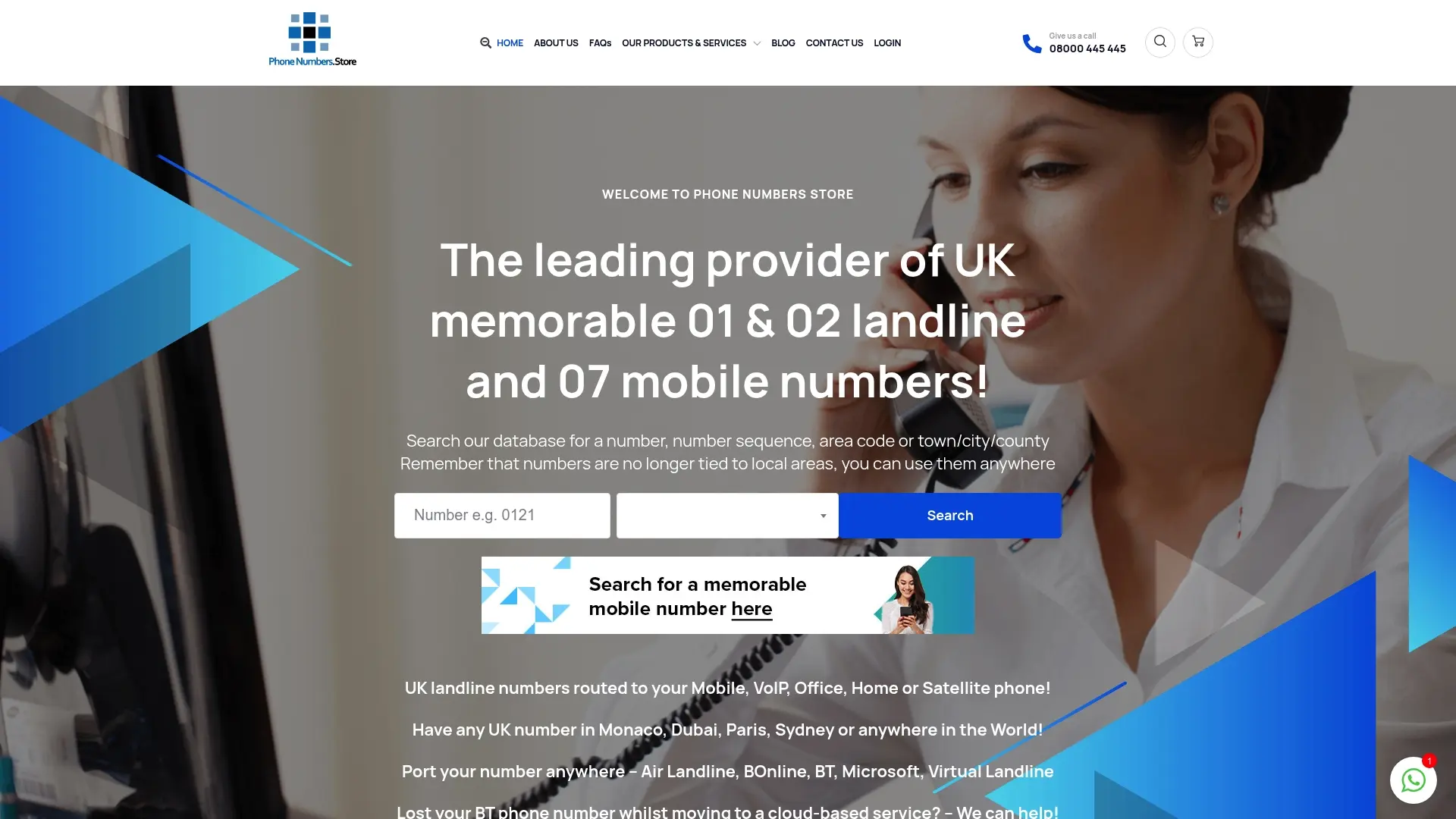
Numbers like 01132 666333 and 01132 777999 combine the credibility of a UK landline prefix with a repeating pattern that customers recall without effort. UK numbers are no longer tied to local areas, so you can use any number anywhere in the country. If you are serious about boosting your brand through every numeric touchpoint, a memorable phone number from Phonenumbers is one of the highest-return, lowest-cost decisions you can make.
FAQ
What is the role of numbers in business identity?
Numbers serve two functions in business identity: operational identifiers like registration numbers and VAT numbers establish legal credibility and compliance, while branding numbers such as phone numbers, price endings, and product model numbers shape customer perception and memorability.
Do price endings really affect how customers perceive quality?
Research published in the Journal of Revenue and Pricing Management confirms that 9-ending prices activate implicit low-quality associations in consumers’ minds. Premium brands benefit from round-number pricing, which signals confidence and authority rather than discount positioning.
Why does cognitive fluency matter for numeric branding?
Cognitive fluency research shows that numbers familiar from everyday life, such as 24 or 100, are processed faster and rated more favourably, increasing willingness to pay by 10% compared to less familiar numbers.
How does typography affect numeric brand elements?
A Monotype neuromarketing study found that typeface choices lift brand relevance by 13%, memorability by 10%, and trustworthiness by 9%. Applying consistent typography to prices, phone numbers, and model numbers amplifies the cumulative trust signal your brand sends.
Are UK phone numbers still tied to specific locations?
No. UK 01 and 02 numbers are no longer geographically restricted. You can use any area code anywhere in the country, which means you can choose a memorable number sequence with a credible local prefix regardless of where your business operates.