
TL;DR:
- Protecting taxi passenger data involves complying with UK GDPR laws and implementing technical controls.
- Number masking offers the most effective protection by replacing real phone numbers with temporary virtual ones.
Data protection for taxi numbers is defined as the set of legal obligations and technical controls that UK taxi fleet operators must apply to any personal phone number collected, stored, or processed during a booking or trip. The formal industry term is “personal data processing,” governed by UK GDPR and enforced by the Information Commissioner’s Office (ICO). Getting this wrong carries real consequences. In 2026, the Yango taxi app operator was fined €100 million for multiple GDPR violations including failures to protect passenger and driver data during cross-border transfers. That fine should focus every fleet manager’s attention.
1. Data protection for taxi numbers: why it matters more than ever
Phone numbers are personal data under UK GDPR. That means every number a passenger gives you when booking a cab is subject to the same legal protections as a name, address, or payment detail. Fleet operators of any size must comply, and UK GDPR obligations apply regardless of whether you run five vehicles or five hundred.
The risk is not abstract. Passenger phone numbers stored in dispatch systems can be accessed by drivers, call handlers, and third-party software vendors. Each access point is a potential breach. A single exposed number can lead to harassment, unsolicited marketing, or identity fraud.
Privacy compliance is also a competitive issue. Passengers increasingly choose operators they trust with their data. A documented, well-communicated data protection policy signals professionalism and builds loyalty.
2. Why number masking is the most effective protection method
Number masking is the practice of replacing a passenger’s real phone number with a temporary virtual number for the duration of a booking. The driver calls the virtual number, the system routes it to the passenger, and neither party ever sees the other’s real contact details. This single measure addresses the most common source of taxi data breaches.
Masked phone numbers significantly reduce the risks of stalker behaviour and data scraping. That matters because driver apps often display passenger numbers on screen, where they can be photographed, copied, or retained after a trip ends.
Number masking also supports compliance with GDPR Articles 5 and 25. Article 5 requires data minimisation: collect only what you need. Article 25 requires privacy by design: build protection into your systems from the start. A masking layer satisfies both principles without requiring passengers to change their behaviour.
- Virtual numbers can be assigned per trip and discarded after completion.
- Masking prevents drivers from building personal contact lists from passenger data.
- Dispatch systems can log call metadata without ever storing the real number.
- Routing calls centrally through company systems removes direct number exposure entirely.
Pro Tip: Set virtual numbers to expire automatically within one hour of trip completion. This limits your data retention footprint and reduces the window for any post-trip misuse.
3. Essential cybersecurity practices for protecting taxi number data

Strong data security for taxis does not require a large IT department. It requires consistent application of a small number of proven controls. MFA and encryption are the two most critical, and both are accessible to operators of any size.
Role-Based Access Control (RBAC)
RBAC limits internal data exposure by ensuring staff can only access the data their role requires. A driver needs trip details. A call handler needs booking history. Neither needs access to the full passenger database. Internal breaches often stem from excessive privileges, and RBAC closes that gap directly.
Multi-Factor Authentication (MFA)
MFA requires a second verification step beyond a password before granting system access. Operators must enforce two-factor authentication for all administrative logins to dispatch software and customer databases. A compromised password alone is not enough to breach the system when MFA is active.
Encryption in transit and at rest
All phone numbers and communication logs must be encrypted both when stored and when transmitted between dispatch software and driver devices. End-to-end encryption prevents interception during transmission. Encryption at rest protects data if a server or device is physically compromised.
- Audit all system users and remove accounts that are no longer active.
- Apply RBAC so each role accesses only the data it needs.
- Enable MFA on every administrative and dispatcher login.
- Encrypt all data in transit using TLS 1.2 or higher.
- Encrypt stored phone numbers and communication logs.
- Schedule monthly software updates across all dispatch and driver apps.
- Evaluate third-party vendors for their own security certifications before granting data access.
Pro Tip: Run a quarterly access audit. Remove any user account that has not logged in for 30 days. Dormant accounts are a common entry point for attackers.
4. How to comply with UK GDPR when handling taxi numbers
UK GDPR compliance for taxi operators centres on five practical obligations. Meeting them protects passengers, reduces your legal exposure, and demonstrates accountability to the ICO.
- Establish a lawful basis. Processing a passenger’s phone number requires a lawful basis under UK GDPR Article 6. For taxi bookings, this is typically “performance of a contract.” Document this basis in your privacy notice.
- Update your privacy notice. Your notice must explain what phone number data you collect, why you collect it, how long you keep it, and who you share it with. Review it every time your systems or processes change.
- Respond to data subject access requests on time. Operators must respond within one calendar month of receiving a request. A passenger can ask to see every piece of data you hold on them, including their phone number and booking history.
- Implement a data retention policy. Define how long you keep phone numbers after a trip ends. Most operators have no legitimate reason to retain a passenger number beyond 30 days after the last booking. Delete data on schedule, automatically where possible.
- Restrict cross-border data transfers. If your dispatch software or cloud storage is hosted outside the UK or EEA, you must apply appropriate transfer safeguards. The Yango case demonstrates the scale of fines when this obligation is ignored.
| Obligation | Required action | Timeframe |
|---|---|---|
| Data subject access request | Provide all held personal data to the requester | Within 1 calendar month |
| Privacy notice update | Reflect any change in data handling | Before the change takes effect |
| Data retention | Delete phone numbers after retention period | Per documented policy |
| Cross-border transfers | Apply UK GDPR transfer safeguards | Before any transfer occurs |
For practical guidance on building a privacy-first taxi operation, documenting your data handling processes is the single most important first step.
5. Advanced technical measures that go beyond basic compliance
Compliance sets the floor. Advanced technical measures raise it. Privacy-preserving analytics allow operators to generate aggregated, anonymised reports on booking patterns and call volumes without retaining individual passenger numbers. This protects operators from secondary data breaches while still delivering the operational insight they need.
Short-lived data tokens are another underused control. Location data, trip metadata, and payment references should be treated as sensitive as the phone number itself. Short-lived tokens must be encrypted and discarded after use. Retaining them creates a reconstruction risk: an attacker who assembles enough metadata can map a passenger’s movement patterns even without their name.
Driver app security deserves specific attention. Apps should store the minimum data needed for the current trip and clear local caches after each job. Device-level encryption and remote wipe capability protect data if a driver’s phone is lost or stolen.
- Use anonymised, aggregated reporting rather than individual-level data exports.
- Apply short-lived tokens for trip and payment references, expiring them after job completion.
- Enable device encryption and remote wipe on all driver devices.
- Route all passenger calls through central dispatch rather than exposing direct numbers.
- Audit app permissions regularly to remove access to contacts, location history, or storage that the app does not need.
Pro Tip: Ask your dispatch software vendor for a copy of their penetration test results. Any reputable provider runs these annually. If they cannot produce one, that is a clear signal to reconsider the relationship.
Key takeaways
Effective data protection for taxi numbers requires masking personal contacts, enforcing access controls, and meeting UK GDPR obligations before a breach forces your hand.
| Point | Details |
|---|---|
| Number masking is the priority | Replace passenger numbers with virtual numbers to prevent direct exposure to drivers. |
| MFA and RBAC are non-negotiable | Enforce multi-factor authentication and role-based access on all dispatch systems. |
| UK GDPR timelines are fixed | Respond to data subject access requests within one calendar month, without exception. |
| Retention policies reduce risk | Delete passenger phone numbers after 30 days unless a specific legal basis requires longer retention. |
| Advanced measures go further | Privacy-preserving analytics and short-lived tokens protect against data reconstruction attacks. |
Why I think most taxi operators are one breach away from a serious problem
Rob here. I have spent years watching fleet operators treat data protection as a box-ticking exercise. They update their privacy notice once, file it away, and assume that is enough. It is not.
The Yango fine is the clearest possible signal that regulators are no longer issuing warnings. They are issuing invoices. A €100 million penalty for a taxi app should alarm every UK fleet manager, regardless of fleet size. The ICO has the same enforcement powers under UK GDPR, and it uses them.
The operators I have seen handle this well share one habit: they treat phone numbers like payment card data. They mask them, limit who can see them, and delete them on a schedule. They do not wait for a complaint to trigger a review. They build the protection into the process from day one.
The uncomfortable truth is that most breaches are not sophisticated attacks. They are avoidable failures: a driver who screenshots a passenger number, a dispatcher account that was never deactivated, a cloud backup that was never encrypted. RBAC and MFA stop the majority of these before they start.
If you run a taxi fleet and you cannot answer these three questions right now, you have work to do. Who in your organisation can access passenger phone numbers? How long do you retain them after a trip? And what happens if a passenger asks you to delete their data today?
— Rob
Secure your taxi communications with the right number setup
Protecting passenger data starts with the numbers your fleet uses to communicate. A dedicated, professional phone number keeps your business contact separate from personal lines and supports the kind of central routing that GDPR compliance requires.
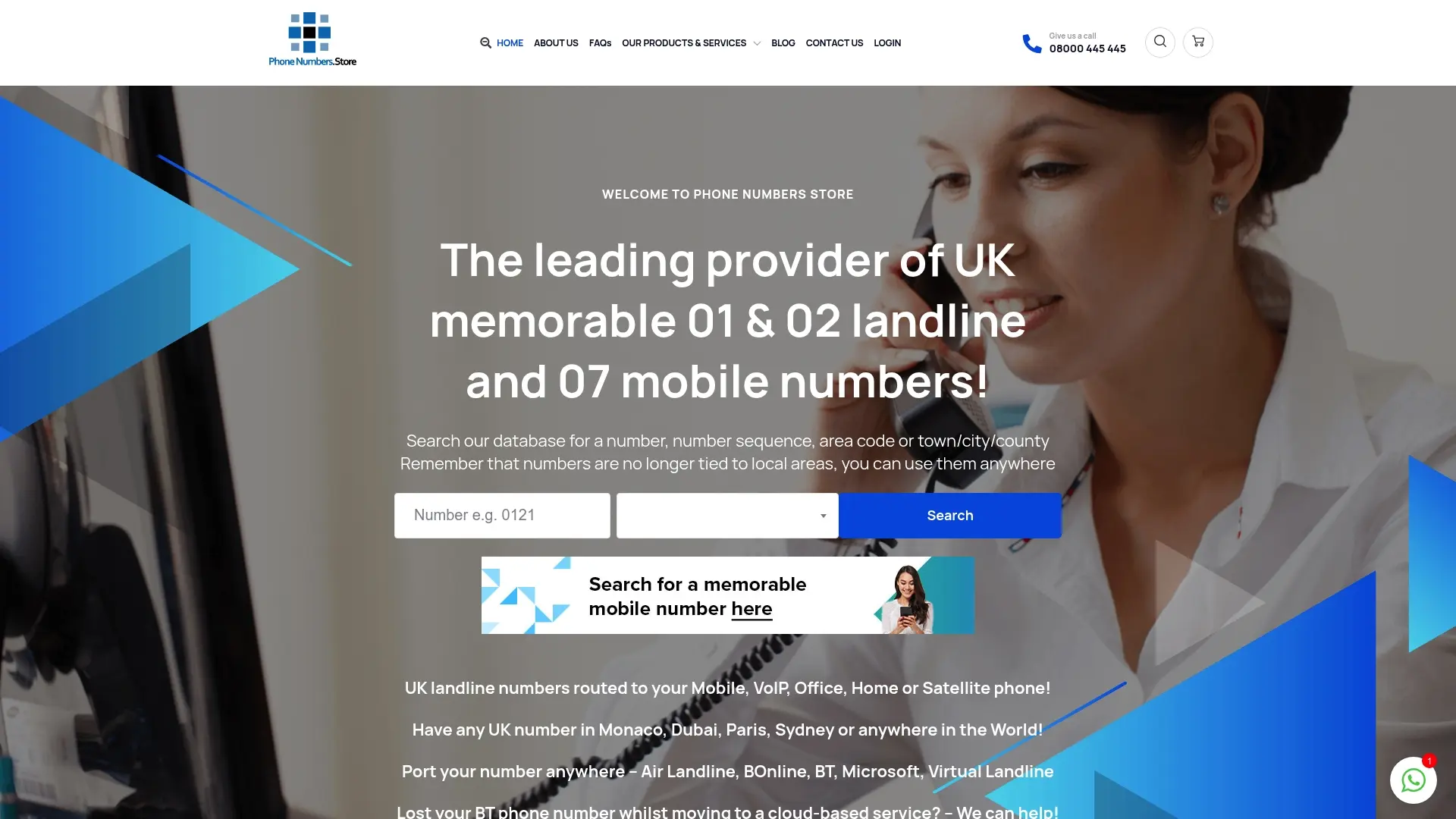
Phonenumbers is the UK’s leading provider of memorable 01, 02, and 07 numbers. Fleet operators use these numbers to route all passenger calls through a single, controlled channel, removing the need for drivers to ever share or display personal numbers. You can browse available numbers by area code, number sequence, or town, and numbers are no longer tied to a local area so you can use them anywhere in the UK. For operators in Leeds, numbers like 0113 273 2222 or 0113 255 0000 are available now. A memorable, dedicated number is a practical first step toward local number masking that protects both your passengers and your business.
FAQ
What is data protection for taxi numbers?
Data protection for taxi numbers is the legal and technical obligation to handle passenger and driver phone numbers in compliance with UK GDPR. This includes limiting who can access numbers, masking them during trips, and deleting them after a defined retention period.
How does number masking help with GDPR compliance?
Number masking replaces a passenger’s real phone number with a temporary virtual number, satisfying GDPR’s data minimisation and privacy-by-design requirements under Articles 5 and 25.
What happens if a taxi operator fails to protect passenger data?
Regulators can issue substantial fines under UK GDPR. In 2026, a taxi app operator received a €100 million fine for data protection failures, demonstrating the scale of enforcement risk.
How quickly must taxi operators respond to data subject access requests?
UK GDPR requires operators to respond to data subject access requests within one calendar month of receiving them.
What is the most important first step for taxi number confidentiality?
Implement number masking in your dispatch system and document a data retention policy that automatically deletes passenger phone numbers after each trip cycle.